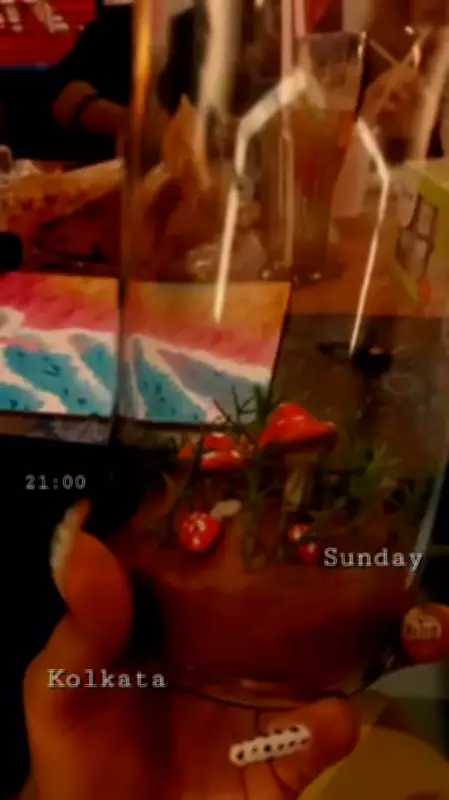
Terrarium Workshop Provides Creative Escape into Miniature Green Worlds
In an increasingly digital world, a unique terrarium workshop offers participants a refreshing hands-on opportunity to connect with nature through creative expression. This immersive experience allows individuals to design and construct their own miniature ecosystems within glass containers, blending artistic vision with botanical knowledge.
The Therapeutic and Educational Benefits of Terrarium Building
Terrarium workshops serve multiple purposes beyond simple craft activities. Participants engage in a therapeutic process that combines mindfulness with practical gardening skills. The careful selection of plants, soil layers, and decorative elements requires both concentration and creativity, providing a mental break from daily stressors while fostering a deeper appreciation for living ecosystems.
The educational component is equally significant. Workshop facilitators typically explain the science behind closed ecosystems, including how terrariums create their own water cycles through condensation and evaporation. Participants learn about suitable plant varieties that thrive in humid, enclosed environments, such as mosses, ferns, and small tropical plants that require minimal maintenance once established.

Step-by-Step Process of Creating a Personal Terrarium
The workshop guides attendees through a systematic approach to terrarium construction:
- Container Selection: Participants choose from various glass vessels, ranging from traditional fishbowls to more contemporary geometric designs.
- Layering Foundation Materials: Proper drainage begins with a base layer of small stones or gravel, followed by activated charcoal to prevent mold, and finally a specialized potting mix.
- Plant Arrangement: Using long tweezers and small tools, participants carefully position selected plants, considering both aesthetic appeal and growth requirements.
- Decorative Elements: Miniature figurines, colored stones, or pieces of driftwood add personal touches to each creation.
- Initial Watering and Sealing: A light misting establishes the moisture cycle before the terrarium is sealed to create a self-sustaining environment.
The Growing Popularity of Terrarium Workshops
These workshops have gained significant traction as people seek meaningful alternatives to screen-based entertainment. The completed terrariums serve as long-lasting reminders of the creative experience, often becoming focal points in home or office decor. Many participants report that the process of building and maintaining their miniature gardens provides ongoing satisfaction and a tangible connection to nature in urban environments.
The social aspect of terrarium workshops should not be underestimated. These events frequently bring together diverse groups of people united by an interest in gardening, crafts, or simply trying something new. The shared experience of creating something beautiful and living fosters community connections while developing practical skills that participants can apply to future gardening projects.
As environmental awareness grows, terrarium workshops also promote sustainable practices by demonstrating how small, closed ecosystems can thrive with minimal resources. This hands-on approach to understanding ecological principles makes complex concepts accessible and engaging for people of all ages and backgrounds.