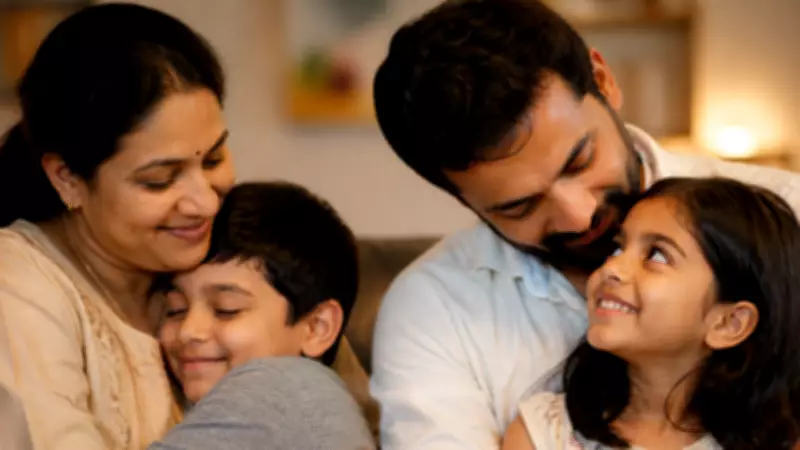
In many homes, a pattern unfolds so quietly it feels almost instinctive: a son turns to his mother for comfort, a daughter leans toward her father for reassurance. But beneath that familiarity lies something deeper than habit. These bonds are shaped by early attachment, emotional availability, and the subtle roles parents play in a child’s inner world. Children do not consciously choose one parent over the other; they respond to where they feel most understood, most seen, and most safe. Over time, these repeated emotional exchanges create a sense of closeness that can look like preference, but is often simply trust taking its natural shape.
The First Emotional Bond
For many children, the mother is the first emotional world they know. In early childhood, mothers are often the main source of comfort, feeding, soothing, and daily care. That close, repeated contact builds attachment. A boy may grow up associating his mother with warmth and emotional security, while a girl may do the same. But as children develop, family dynamics, personality, and cultural expectations can shift those bonds in different directions. In many households, sons are encouraged to lean on mothers for tenderness and care. Daughters, meanwhile, may find fathers more mysterious, more affirming, or more protective. The result is not destiny. It is learning. Children begin to gravitate toward the parent who feels most emotionally available, least judgmental, or most responsive to their needs.
Sons and the Search for Comfort
A son often experiences his mother as the person who understands his moods before he can explain them. She may be the one who notices when he is quiet, hungry, hurt, or discouraged. That kind of attunement matters. Children naturally return to the person who consistently reads their emotional signals well. There is also a social side to it. Boys are often taught, subtly or directly, to appear strong, composed, and self-contained. That can make a mother feel like the one place where softness is allowed. With her, a son may not need to perform toughness. He can be small again, honest again, unguarded again. Over time, that can create a powerful emotional shorthand. The mother becomes the refuge. Not because the father is less important, but because comfort often arrives first through the parent who has been most present in the child’s emotional life.

Daughters and the Need for Approval
For many daughters, fathers carry a different kind of emotional weight. A father’s praise can feel especially memorable. His criticism can stay longer than he intends. His attention can shape a girl’s sense of confidence, worth, and visibility. Psychologists often note that daughters may look to fathers as an early mirror of how they are valued by men in general, though that is only one layer of the story. Just as importantly, fathers can represent safety, strength, and steadiness. A daughter may turn to her father not only for protection, but for recognition—the feeling that she is seen, respected, and chosen. When a father is affectionate, emotionally engaged, and consistent, daughters often carry that bond deeply into adulthood. They may seek his opinion, remember his words clearly, and crave his reassurance in moments of doubt.
Identification Matters Too
Children do not only attach to the parent who comforts them. They also identify with the parent who seems most like the future self they are trying to become. Sons may copy fathers in behavior, ambition, or mannerisms. Daughters may mirror mothers in speech, style, or emotional expression. But in emotionally charged moments, children often drift toward the parent who offers the feeling they need most. That is why these patterns can look paradoxical. A child may resemble one parent yet emotionally depend on the other. Love does not always follow resemblance. Sometimes it follows relief.

Culture Quietly Shapes the Bond
In Indian homes, especially, these dynamics are often amplified by culture. Sons may be treated as mothers’ companions, daughters as fathers’ soft spots. Families may joke about “daddy’s girl” or “mama’s boy,” but these labels are not just cute. They reflect the emotional lanes children are often assigned before they even understand themselves. The danger comes when preference turns into dependence, or when one parent becomes idealized while the other is emotionally sidelined. Healthy families allow children to bond with both parents in different ways, without forcing loyalty or competition.
The Real Answer
So why do sons choose moms and daughters choose dads? The honest answer is that many do not “choose” at all. They move toward the parent who feels safest, most affirming, or most emotionally available at that stage of life. These bonds are less about gender and more about emotional architecture. Children do not simply pick a side. They pick comfort, attention, validation, and love. And in the end, that may be the whole story.