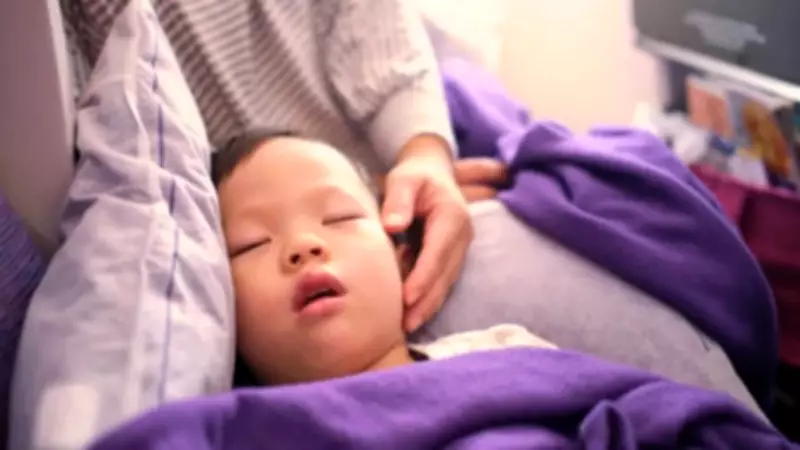
7 Essential Sleep Tips for Toddlers During Travel: A Parent's Guide
Traveling with toddlers presents a unique blend of joy and challenge for parents and their young children. While exploring new destinations creates cherished family memories, ensuring adequate sleep for toddlers during journeys often emerges as a significant concern. The disruption caused by unfamiliar environments, different sleeping arrangements, altered travel schedules, ambient noise, and the general excitement of adventure can collectively interfere with a toddler's natural sleep patterns. Consequently, toddlers may wake up feeling irritable and fatigued the following day, potentially turning the travel experience into a stressful ordeal for both children and parents. Fortunately, by implementing specific, practical strategies, parents can significantly improve their toddler's sleep quality while traveling, fostering a more enjoyable and restful trip for everyone involved.
Maintain the Same Bedtime Routine
Toddlers thrive on consistency and familiarity, particularly when it comes to their pre-sleep rituals. Even in a new location, parents should strive to replicate the bedtime routine used at home as closely as possible. This routine might involve activities such as brushing teeth, changing into comfortable pyjamas, reading a favorite short story, or singing a gentle lullaby. These familiar actions serve as powerful cues to the child's brain, signaling that it is time to wind down and prepare for sleep, regardless of the surroundings. By keeping the routine consistent, toddlers can adjust more swiftly to the new environment and achieve more peaceful, uninterrupted sleep during travel.
Carry Their Favorite Comfort Items
Sleeping away from home can be unsettling for toddlers, who may struggle to feel secure in unfamiliar settings like hotels or relatives' houses. A highly effective solution is to bring along their cherished blanket, stuffed animal, or other favorite toy. These comfort items provide a tangible connection to home, offering reassurance and familiarity that can ease anxiety and promote better sleep. This simple yet powerful trick has proven remarkably successful for many families, helping toddlers feel more at ease and sleep more soundly while traveling.

Try to Match Their Sleep Schedule
Travel inevitably disrupts daily schedules, but parents should make a concerted effort to align their toddler's sleep times with their usual routine as much as feasible. When toddlers miss naps or stay up too late, they often become overtired, leading to increased fussiness, tantrums, and difficulty falling asleep. By maintaining sleep times close to the regular schedule, parents help keep the toddler's internal body clock synchronized, reducing the likelihood of sleep-related struggles and ensuring the child remains well-rested throughout the journey.
Create a Comfortable Sleep Environment
The sleeping environment plays a crucial role in a toddler's ability to fall and stay asleep. Parents should prioritize making the space as conducive to sleep as possible by ensuring it is dark, quiet, and comfortable. If the environment is noisy, consider using white noise machines or playing soft, calming music to mask disruptive sounds. A serene and controlled atmosphere helps toddlers relax more quickly and drift off to sleep with greater ease, even in unfamiliar locations.
Limit Screen Time Before Sleep
While it may be tempting to use mobile devices or tablets to keep toddlers occupied during travel, screen time close to bedtime can have adverse effects on sleep quality. The blue light emitted from screens can interfere with the production of melatonin, the hormone that regulates sleep, making it harder for toddlers to fall asleep. To mitigate this, parents should avoid allowing screen usage at least one hour before the intended sleep time, opting instead for quiet activities like reading or gentle play to help the child wind down.

Plan Travel Around Sleep Time
Whenever possible, schedule long car rides or flights during periods when the toddler typically sleeps or is approaching bedtime. Many toddlers find the motion of vehicles soothing and are more likely to fall asleep naturally during transit. By aligning travel with sleep times, parents can ensure their child gets essential rest while en route, making the journey smoother and more manageable for everyone. This strategic planning can be particularly beneficial for long-distance travel, helping to minimize disruptions to the toddler's sleep routine.
Be Patient and Flexible
Despite meticulous planning, toddlers may still experience some difficulty sleeping in a new environment. In such situations, it is vital for parents to remain patient and avoid frustration. Children often require a day or two to fully adapt to unfamiliar settings, and showing flexibility can make them feel more secure and supported. By maintaining a calm and understanding demeanor, parents can help their toddlers gradually adjust, ultimately facilitating better sleep and a more positive travel experience for the entire family.