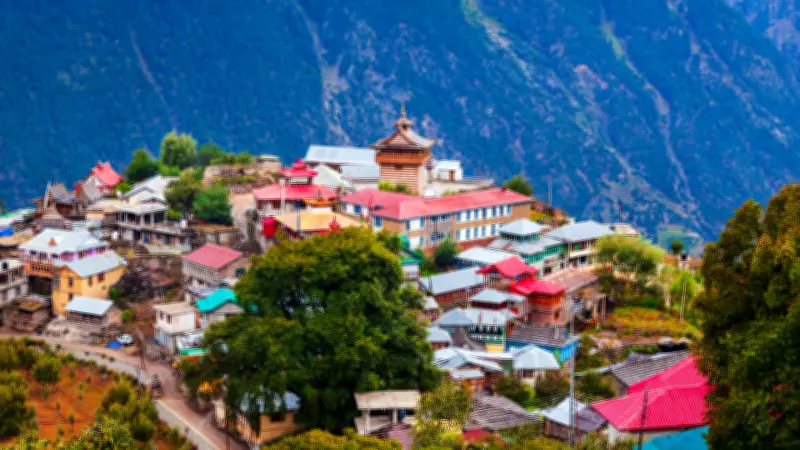
Every year, travelers continue to visit mountains seeking quieter and calming escapes from their hectic lives, which results in overcrowding of tourist spots. But there are a few Himalayan villages that are still untouched by the rush of mass tourism. No crowded roads, no traffic jams, no huge lines to experience something. Just forests, mountains, small wooden homes, local culture, and the silence that cities rarely allow. If you want to experience something like this, these Himalayan villages deserve a spot in your travel list.
Kalap, Uttarakhand
Hidden deep in Uttarakhand's Garhwal region, Kalap is the kind of place that feels completely disconnected from the outside world. Surrounded by pine and deodar forests and overlooking the Rupin River valley, this tiny village remains far away from mainstream tourism. Getting here itself is part of the experience. From Delhi, it takes roughly 10 to 12 hours by road to reach Sankri, followed by a trek of around 4 to 6 hours to Kalap. But once you arrive, the silence, mountain views, and fresh air make every step worth it. There are no luxury resorts here. Most travelers stay in local homestays run by villagers, which gives you a comforting experience. Days are spent walking through forests, sitting by the river, and learning about Garhwali traditions. Mobile network is limited, which makes you truly enjoy the place while putting you on a much-needed digital detox.
Chitkul, Himachal Pradesh
Located in Himachal Pradesh's Kinnaur district, Chitkul is often called the last inhabited village near the Indo-Tibetan border. Sitting beside the Baspa River with snow-covered mountains in the background, the village looks straight out of a painting. The drive from Delhi takes roughly 14 to 16 hours and is usually broken with a stop in Shimla or Sangla. Wooden homes, prayer flags, and soothing mountain air define the atmosphere here. Travelers usually stay in small guesthouses or homestays with views of the valley. There are no fancy tourist attractions, and that is exactly why people fall in love with it. You can spend your time walking along the Baspa riverside, visiting the old Mathi Devi temple, and exploring nearby meadows. Nights here are cold, quiet, and filled with stars.

Kanatal, Uttarakhand
Kanatal is a quiet hidden village that stays in the mountains of Tehri Garhwal. Surrounded by forests and Himalayan views, this place feels calm, breezy, and surprisingly uncrowded even during peak travel season. Kanatal is around 320 kilometers from Delhi and takes about 7 to 8 hours by road, making it one of the easiest offbeat escapes from the capital. The atmosphere here is simple and peaceful. You can spend your days visiting eco parks, walking through forest trails, exploring Kodia Jungle, or heading for short trips to nearby Dhanaulti and Surkanda Devi Temple. Unlike bigger hill stations, Kanatal still lets you slow down.
Kothi, Himachal Pradesh
Located around 15 kilometers from Manali, Kothi sits above a dramatic section of the Beas River and offers stunning mountain views without the chaos of Manali town. From Delhi, it takes around 12 to 14 hours by road to reach Kothi. You can also fly to Bhuntar and drive towards Manali. Small guesthouses, camps, and quiet mountain roads make the village feel much more relaxed. Snow remains visible on higher slopes during early summer, while the weather stays cool enough for light jackets even during the day. Travelers use Kothi as a base for hiking, camping, and short nature walks. You can also explore nearby places like Solang Valley, Rahala Falls, and Beas Kund while returning to a quieter stay in the evening.
Ziro Valley, Arunachal Pradesh
Ziro Valley does not look like any ordinary Himalayan village. Instead of huge mountains, you will find green rice fields, bamboo houses, pine forests, and villages filled with Apatani culture and traditions. Reaching Ziro takes effort. From Delhi, travelers usually fly to Guwahati or reach Naharlagun Railway station. From there, continue by road into Arunachal Pradesh. The long journey is exactly why the valley still feels untouched compared to mainstream hill stations. Homestays are the best way to experience Ziro in its raw form. Stay with locals, understand their traditions, food, and lifestyle. You can also take a relaxing walk through paddy fields or bamboo forests.