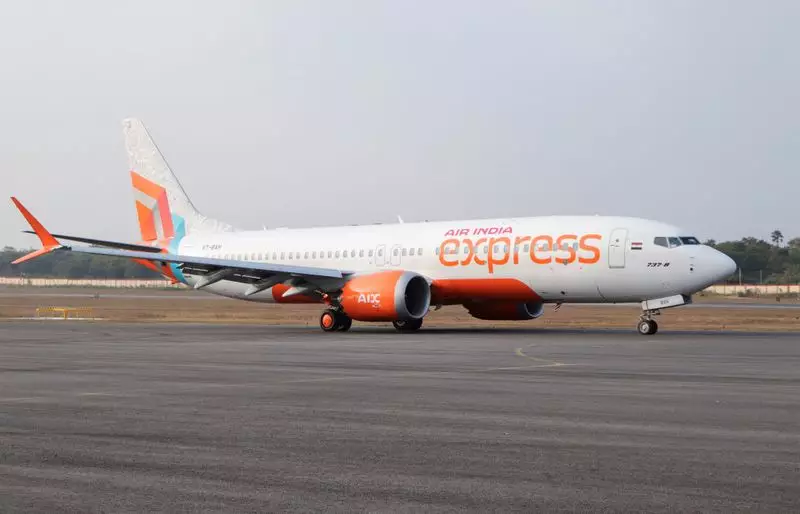
An Air India Express flight bound for the coastal city of Visakhapatnam was forced to make an emergency return to its departure point in Hyderabad on Sunday morning due to a technical malfunction. The incident caused significant disruption for the 175 passengers on board, who were safely evacuated after the aircraft landed back at Rajiv Gandhi International Airport.
Flight Details and the Mid-Air Emergency
The aircraft involved was an Airbus A320neo, operating as flight IX 676. It had taken off from Hyderabad at approximately 8:05 AM on its scheduled journey to Visakhapatnam. However, shortly after becoming airborne, the pilots identified a technical problem with the plane's systems.
Following standard safety protocols, the flight crew made the decisive choice to turn the aircraft around. The plane safely landed back at the Hyderabad airport at 8:45 AM, just about 40 minutes after its initial departure. An official from the airline confirmed that the return was prompted by a technical snag detected by the cockpit crew.

Passenger Safety and Alternate Arrangements
Upon landing, all 175 passengers were safely deboarded from the aircraft. The airline immediately began working on arrangements to get the travelers to their destination. A spokesperson stated that the passengers were being accommodated on subsequent flights to Visakhapatnam.
The primary focus for Air India Express was ensuring passenger safety and minimizing inconvenience. The affected Airbus A320neo was taken out of service for a thorough engineering inspection and necessary repairs to address the technical fault before it is cleared for operations again.
Broader Implications for Aviation Safety
This incident underscores the critical importance of stringent safety checks and pilot training in Indian aviation. The prompt decision by the pilots to return to Hyderabad, rather than continue to the destination, highlights the precautionary principle that governs flight operations.
Such events, while disruptive, are managed with passenger safety as the absolute priority. The airline's protocol to ground the aircraft for inspection ensures that any potential technical issues are fully resolved, preventing further complications. Passengers are advised to stay in contact with airlines for updates during such unforeseen operational changes.