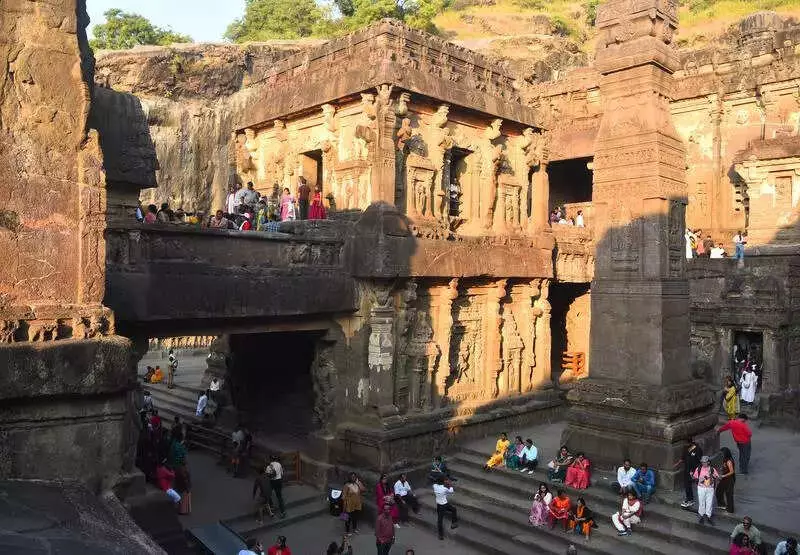
The Aurangabad Tourism Development Foundation (ATDF) has made an urgent appeal to both the Union and Maharashtra state governments. The core demand is the introduction of audio guide systems at the Ajanta and Ellora Caves and other key heritage monuments. This move is seen as a critical solution to address the severe and growing shortage of human guides, which is damaging the tourist experience.
Formal Request to Tourism Corporations
In formal letters addressed to the India Tourism Development Corporation (ITDC) and the Maharashtra Tourism Development Corporation (MTDC), the ATDF outlined the escalating crisis. The foundation highlighted that the lack of available guides is increasingly disrupting tour operations and leaving visitors, including a significant number of foreign tourists, without proper information.
Jaswant Singh, the founder-president of ATDF, explained the dual benefit of audio guides. "Installing high-quality audio guides at major monuments will significantly enhance the visitor experience, especially when certified guides are unavailable," Singh said. He emphasized that this technology would reduce reliance on a limited pool of guides and guarantee that all visitors receive accurate and consistent historical information.

Addressing Guide Misconduct and Licensing Issues
The ATDF's communication also shed light on problematic practices within the guiding community. Singh pointed out that many guides are now refusing assignments from registered tour operators. Instead, they are opting to guide visitors directly at the monument sites to earn quick, unregulated income. "This practice disrupts organised tourism and leads to inconsistent service standards and visitor complaints," he stated.
The issue extends to guides with All-India Guide Licences who focus solely on monument-level guiding while ignoring legitimate assignments from operators. The ATDF has called for a review and potential revocation of such licences in these cases. As an alternative, they propose issuing monument-specific licences for guides wishing to work only at individual sites. This, they argue, would ensure greater accountability and uphold professional standards.
Immediate and Long-Term Solutions Proposed
Alongside the push for audio guide technology, the ATDF suggested an immediate stop-gap measure. They have requested that MTDC-trained and certified guides be permitted to operate inside the monuments to fill the void created by the shortage of guides authorised by the Archaeological Survey of India (ASI).
Echoing the urgency, history expert Sanket Kulkarni stressed the need for swift government intervention. "Introducing audio guide systems and increasing the number of approved guides is the need of the hour. Authorities must act swiftly," Kulkarni said, reminding everyone of tourism's vital importance to the Marathwada region's economy.
When approached for comment, ASI officials indicated that the final decision rests with the central authorities. The ball is now in the government's court to implement solutions that can preserve the world-class experience at India's iconic heritage sites.