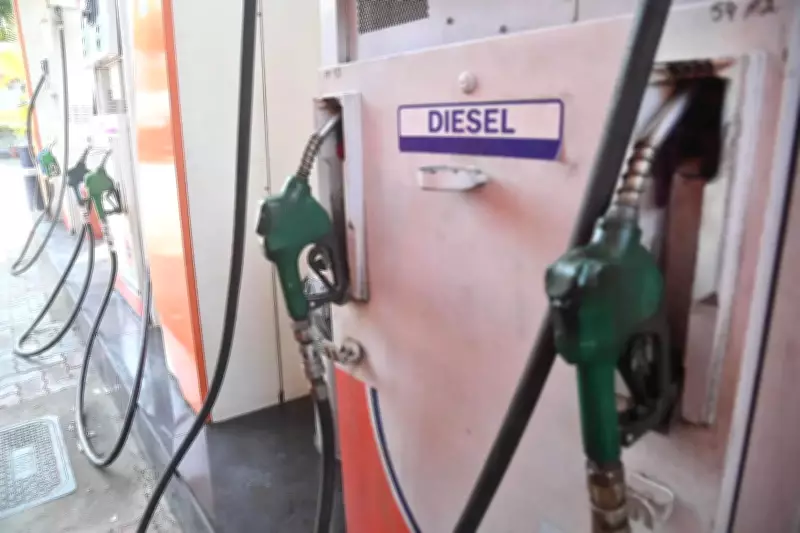
Gaya: Rising fuel and commercial LPG prices have started adversely affecting the tourism industry in Bodh Gaya, with stakeholders saying the situation is reminiscent of the difficult period during the Covid-19 pandemic.
Operators Struggle with Rising Costs
Tour operators said during the pandemic, the government had provided several relief measures, including exemption from EMI payments. However, no such support is currently available despite mounting operational expenses. They alleged that fixed expenditures such as rent, electricity bills and staff salaries continue to burden businesses even as income has sharply declined.
People associated with the tourism sector said hotels, restaurants, transport services and other tourist facilities remain operational, but earnings have fallen significantly while costs continue to rise.

Hotel Occupancy Drops Sharply
Hotel Association Bodh Gaya general secretary Sanjay Singh said, “Normally, the tourist off-season in Bodh Gaya begins in March. However, domestic tourists continue to visit even in May. Last year, Bodh Gaya received more domestic tourists during this period compared to this year. Presently, hotel occupancy is very poor.”
Travel operators said many agencies have started refusing vehicle bookings because of uncertainty caused by the continuous rise in fuel prices. Around 60 travel agencies operate in and around Bodh Gaya.
Fuel Price Hikes Discourage Travel
Sudhir Kumar, who runs a travel agency in Bodh Gaya, said transport operators are struggling due to the rising cost of fuel. “Tourists are avoiding luxury travel and we are also discouraged by the fuel price hike, which has happened four times,” he said.
“While inquiries from foreign tourists are negligible, demand from domestic travellers has also fallen sharply,” he added.
Another tour operator, Ranjit Kumar, said the financial burden on travel businesses has become difficult to manage. “I have to pay around Rs 2.5 lakh towards EMI, taxes, electricity bills and shop rent, while income has dropped sharply due to the decline in tourist footfall. So far in May, my travel agency has received only three to four bookings. Earlier, we often had to refuse bookings because of high demand. The government should consider providing relief measures,” he said.
Fares Increased, Bookings Decline
Former president of the Bodh Gaya Travel Association, Suresh Singh, said travel operators are being forced to increase fares because of rising operational costs.
“Earlier, we charged around Rs 3,500 for a trip from Bodh Gaya to Patna and Rs 8,000 for Varanasi. The rates have now increased sharply,” Singh said.
Rakesh Kumar, president of the Tourist Guide Association of Bihar, said the number of foreign tourists visiting Bodh Gaya has declined sharply since Buddha Purnima on May 1.
“During this period, we generally depend on domestic tourists. A large number of visitors are attending the Malmas fair in nearby Rajgir, but very few are travelling onward to Bodh Gaya this year. Visitors to the Rajgir fair traditionally included Bodh Gaya in their tour programme, which is not happening this year,” he said.