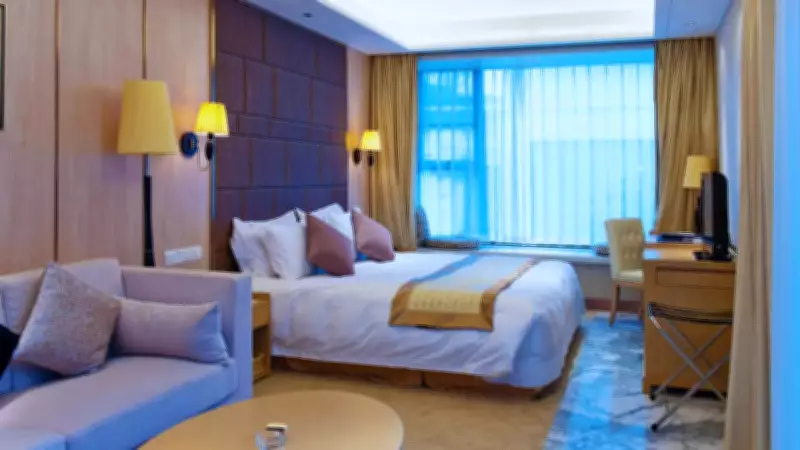
Hotel Hygiene Alert: The 10 Dirtiest Spots in Your Room Revealed
A hotel room is designed to offer guests a comfortable and welcoming environment, with fresh linens, spotless furniture, and the aroma of sanitized surfaces. However, beneath this pristine facade lies a hidden reality. Many seemingly harmless necessities are far less sanitary than they appear. Due to time constraints, high occupancy rates, and other operational challenges, some of the most frequently used items are often left inadequately sanitized, posing potential health risks to travelers.
Here is an in-depth look at the ten most unsanitary items in a hotel room that every guest should be aware of to ensure a safer stay.
1. TV Remote Control
This is typically one of the first objects guests interact with upon entering their room. Surprisingly, it is also among the least sterilized items. Given its constant handling by multiple individuals, the remote control accumulates significant amounts of bacteria, food residues, and germs. It is highly advisable to sanitize the remote thoroughly before use.

2. Light Switches
Despite regular cleaning routines, light switches are frequently overlooked. They are touched repeatedly by all occupants, leading to a higher concentration of bacteria compared to other surfaces due to the intense frequency of contact.
3. Bedspreads and Decorative Pillows
Unlike bed sheets, which are usually laundered after each guest departure, bedspreads and decorative pillows are washed infrequently. Consequently, these items may have been used numerous times before cleaning, accumulating harmful substances. Even if they appear immaculate, it is best to avoid direct contact with them.
4. Hotel Phone
The telephone in hotel rooms is another high-touch item that rarely receives proper disinfection. It can harbor germs from previous guests, making it a potential source of contamination.
5. Bathroom Faucet and Sink Area
While bathrooms are cleaned regularly, high-contact surfaces like faucet handles often remain problematic. The damp environment in these areas creates ideal conditions for bacterial survival. Moreover, frequent touching can make these surfaces dirtier than the toilet seat itself.
6. Coffee Machine
Although the coffee machine might seem like a safe convenience, its water compartments are prone to contamination by bacteria and mold. These internal parts are typically inaccessible to cleaning staff, leading to potential health hazards.
7. Ice Bucket
Even when lined, ice buckets can become contaminated due to improper usage by previous guests. Without adequate maintenance and regular liner changes, they cannot be considered hygienic.
8. Hair Dryer
Hair dryers are used regularly but are seldom cleaned or sterilized. The control panel and buttons can become germ-laden, while the air vent may accumulate dust and debris. These aspects often go unnoticed during standard cleaning procedures.
9. Curtains and Drapes
Curtains are rarely laundered, allowing them to trap dust particles, allergens, and other contaminants from both indoor and outdoor sources. When adjusting curtains, guests may be exposed to more than just fabric.
10. Rugs and Upholstered Furniture
Vacuuming alone is insufficient for deep cleaning. Rugs, carpets, sofas, and other upholstered items can harbor a multitude of impurities and contaminants left behind by prior occupants, contributing to an unclean environment.
In summary, while hotels strive to maintain cleanliness, certain spots are prone to neglect. Travelers should remain vigilant and consider taking extra precautions, such as using disinfectant wipes or personal sanitizers, to mitigate these risks and ensure a healthier stay.