Beyond Tigers: India's Lesser-Known Sanctuaries Protecting Endangered Species
India is globally recognized for its incredible biodiversity and abundant wildlife, yet many remain unaware that beyond the famous national parks like Ranthambore in Rajasthan and Kanha in Madhya Pradesh, numerous smaller sanctuaries serve as crucial havens for the country's most endangered species. These protected areas, ranging from pristine river ecosystems to expansive grasslands, play an indispensable role in preserving rare wildlife that might otherwise face extinction.
National Chambal Sanctuary: The Gharial Stronghold
Spanning across three states—Madhya Pradesh, Rajasthan, and Uttar Pradesh—the National Chambal Sanctuary stands as India's premier stronghold for the critically endangered gharial. The sanctuary's clean Chambal River waters and extensive sandy shores create optimal breeding conditions, supporting the largest gharial population in the nation. Beyond gharials, this sanctuary provides habitat for other threatened species including the Gangetic river dolphin and the Indian skimmer, making it a biodiversity hotspot of immense conservation value.
Mahuadanr Wolf Sanctuary: Exclusive Haven for Indian Wolves
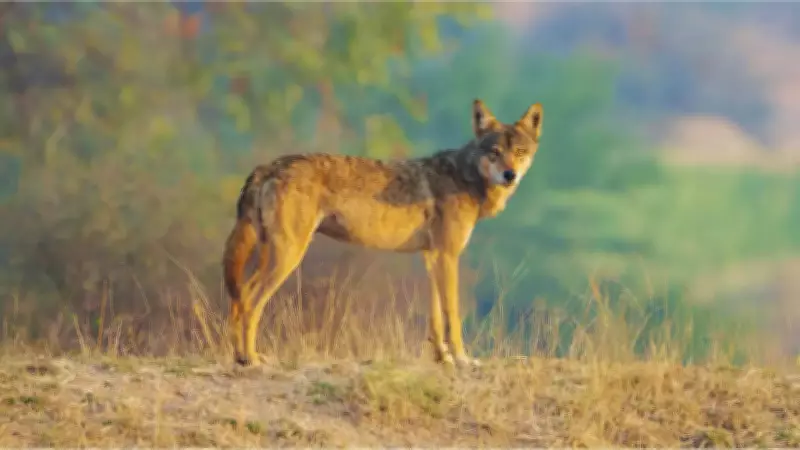
Nestled in Jharkhand, Mahuadanr Wolf Sanctuary holds the unique distinction of being India's only sanctuary dedicated exclusively to the Indian wolf. Its ecosystem of dry forests and grasslands offers an ideal, undisturbed habitat for these predators. With grasslands across India facing increasing threats from development and agriculture, Mahuadanr becomes increasingly vital for ensuring the survival of this species, providing a refuge free from significant human interference.

Katarniaghat Wildlife Sanctuary: Natural Gharial Reproduction Site
Located in Uttar Pradesh's Terai belt, Katarniaghat Wildlife Sanctuary is particularly significant for gharial conservation. The Girwa River flowing through the sanctuary enables natural reproduction of gharials without requiring artificial reintroduction programs that are common elsewhere. This makes Katarniaghat one of the most important sites for ensuring the long-term survival of gharials. The sanctuary also boasts rich biodiversity with diverse flora and fauna complementing its conservation efforts.
Satkosia Gorge Sanctuary: Expanding Gharial Distribution
Positioned along the Mahanadi River in Odisha, Satkosia Gorge Sanctuary serves a different but equally important conservation purpose. Unlike Chambal and Katarniaghat where natural reproduction occurs, Satkosia primarily hosts captive-bred gharials that have been released into the wild. While sightings here are rare, this sanctuary plays a crucial role in expanding the geographical distribution of gharials and reducing pressure on their primary habitats, contributing to broader species recovery efforts.
Son River Sanctuary: Lesser-Known Conservation Area
The Son River Sanctuary in Madhya Pradesh remains one of India's lesser-known protected areas for gharial conservation. While it serves as an important site for preserving river ecosystems and supporting gharial populations, it lacks the recognition of more famous sanctuaries. Although breeding population data remains uncertain, this sanctuary forms part of a network of sites working collectively toward species survival goals.
Kuno National Park: Cheetah Restoration Hub
Kuno National Park in Madhya Pradesh has gained prominence as the centerpiece of India's ambitious cheetah reintroduction program, aiming to restore a species that went extinct in the country decades ago. Selected for its suitable habitat characteristics, Kuno not only serves as potential cheetah territory but also supports rich flora and fauna, demonstrating how conservation efforts can benefit multiple species simultaneously.
These sanctuaries collectively represent India's multifaceted approach to wildlife conservation, protecting everything from ancient reptiles to apex predators through dedicated preservation efforts across diverse ecosystems.