Rajasthan's Majestic Hill Forts: UNESCO Heritage Sites That Captivate Travelers
The distinctive skyline of Rajasthan is not defined by modern skyscrapers but by the imposing ramparts, grand gateways, and ancient citadels that rise dramatically from the rugged hills. These architectural marvels collectively form the Hill Forts of Rajasthan, recognized as a UNESCO World Heritage Site. Their strategic hilltop locations, magnificent palaces, intricate step wells, sacred temples, and panoramic vistas have established them as premier tourist destinations that draw visitors from across the globe.
Amer Fort: The Jewel of Jaipur
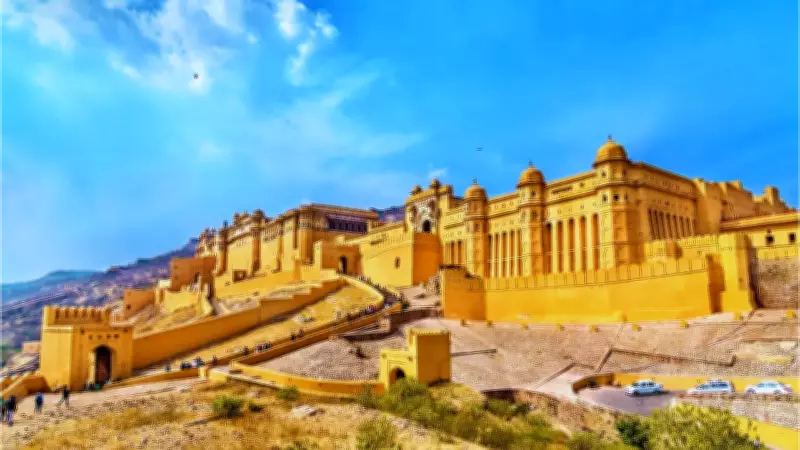
Constructed primarily during the 16th century under Raja Man Singh I, Amer Fort showcases a splendid fusion of Mughal and Rajput architectural styles. The Sheesh Mahal, or Mirror Palace, stands out as one of the fort's most photogenic features, renowned for its exquisite glasswork that creates dazzling light effects. Visitors marvel at the ornate courtyards, expansive halls, and formidable defensive structures that reveal both royal luxury and military ingenuity. Its proximity to Jaipur, stunning views of Maota Lake, and captivating evening light-and-sound shows make it a favorite among travelers, often serving as their first introduction to Rajasthan's regal heritage.
Mehrangarh Fort: The Imposing Sentinel of Jodhpur
Towering 400 feet above the Blue City of Jodhpur, Mehrangarh Fort ranks among India's most formidable fortresses. Founded in 1459 by Rao Jodha, the fort appears to emerge organically from the rocky hill it crowns. Beyond its exceptionally thick walls, the complex houses beautifully preserved palaces such as the Moti Mahal and Phool Mahal, intricate lattice windows, and an extensive museum displaying royal artifacts. The breathtaking panorama of Jodhpur's blue-painted houses from the fort's ramparts offers an unforgettable visual experience that continues to enchant visitors.

Chittorgarh Fort: The Epicenter of Rajput Valor
Spanning an impressive 700 acres, Chittorgarh Fort stands as one of India's largest fortifications and a powerful symbol of Rajput pride and sacrifice. Historically serving as the capital of Mewar, it is steeped in legendary tales including those of Rani Padmini and the practice of jauhar, famously depicted in Sanjay Leela Bhansali's 2018 Bollywood film Padmaavat starring Deepika Padukone, Shahid Kapoor, and Ranveer Singh. The vast fort complex encompasses the Vijay Stambh (Tower of Victory), Kirti Stambh, numerous palaces, temples, and ancient reservoirs, offering visitors a profound journey through Rajput history.
Kumbhalgarh Fort: The Aravalli's Mighty Guardian
Dominating the Aravalli hills, Kumbhalgarh Fort boasts the world's second-longest continuous wall after the Great Wall of China. Built in the 15th century by Rana Kumbha, its massive defensive wall stretches an astonishing 36 kilometers. The fort complex shelters multiple temples and palaces within its protective embrace. Travelers particularly appreciate its remote location, which provides a quieter, less crowded experience compared to forts like Amer or Mehrangarh. Spectacular sunset views over the Aravalli range and the awe-inspiring scale of its walls create a memorable visit for those seeking both tranquility and historical grandeur.
Jaisalmer Fort: The Golden Citadel
Rising from the Thar Desert like a golden mirage, Jaisalmer Fort represents one of the world's few living forts, with residents still inhabiting its ancient lanes. Constructed in 1156 AD by Rawal Jaisal, this fort is renowned for its distinctive yellow sandstone architecture that glows magnificently at sunrise and sunset. Within its walls, visitors discover intricately carved havelis, Jain temples dating back to the 12th-15th centuries, and vibrant markets selling traditional crafts. The fort's unique desert setting, combined with its active community and architectural beauty, makes it an essential destination for travelers exploring Rajasthan's cultural tapestry.

Together, these five hill forts of Rajasthan offer more than just historical sites; they provide immersive experiences into India's royal past, architectural brilliance, and cultural heritage. Their UNESCO World Heritage status underscores their global significance, while their continued popularity among travelers highlights their timeless appeal as destinations that educate, inspire, and captivate all who visit.