

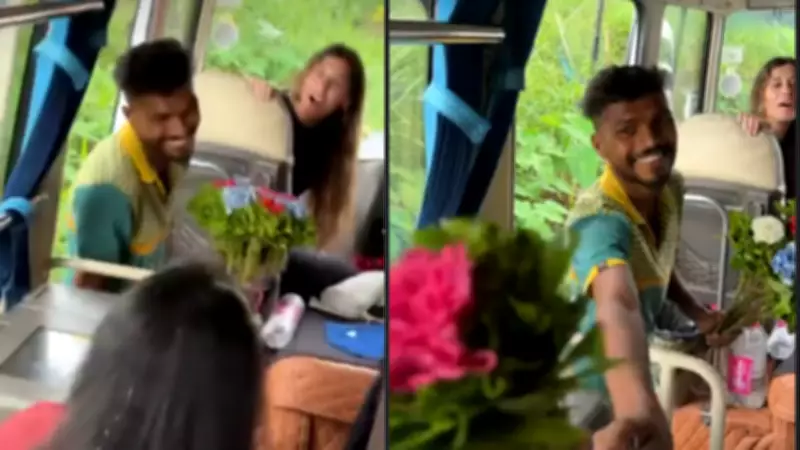
Sri Lanka's 'Flower Boys': The Viral Hill Tradition of Wildflower Bouquets
High in the misty hills of Sri Lanka, where winding roads weave past cascading waterfalls, lush tea estates, and breathtaking valleys, a curious and heartwarming tradition unfolds. If you ever journey along this scenic route, hold your breath for a sweet surprise. Just when travelers are catching their breath from the steep drive towards destinations like Nuwara Eliya, a boy might suddenly appear beside the road, smiling and slightly breathless, holding a small bouquet of wildflowers.
Within seconds, another appears further up the bend, and then another. These young sellers, known informally as Sri Lanka's 'flower boys,' have recently captured the internet's imagination through viral videos. However, their story extends far beyond the digital fame that brought them global attention, rooted in decades of local culture and spontaneous hospitality.
The Viral Moment That Introduced Them to the World
The phenomenon gained international recognition when a video filmed by a Chinese travel blogger showcased a young flower seller named Dilip Madushanka running up steep hill roads to offer a bouquet to passing tourists. The clip quickly spread across social media platforms, amassing millions of views and captivating audiences worldwide.

It wasn't merely the flowers that fascinated viewers; the real charm lay in the boy's determination and agility. He sprinted uphill after vehicles, appearing repeatedly along different bends of the road, all while wearing an infectious, wide-eyed smile. For many, this simple yet surreal moment unfolded with quiet pride and boundless energy, highlighting a unique aspect of Sri Lankan hill culture.
A Tradition Older Than Social Media
While viral videos introduced the flower boys to the digital realm, locals affirm that the tradition dates back decades. Tour guide Ram, who grew up in the Ramboda region along the road to Nuwara Eliya, recalls witnessing something similar during his school days in the 1970s.
At that time, tourists traveling uphill often paused at a waterfall viewpoint near Ramboda. According to Ram, a mute elderly man named Banda frequented the spot, carrying flowers gathered from the surrounding forests. He didn't sell them; instead, he offered the blooms to foreign visitors out of pure love and kindness. When Banda passed away, young boys from nearby villages began continuing this gesture, gradually evolving it into a small roadside trade over the years.
Bouquets from the Hills: A Natural Craft
Today's flower boys typically gather flowers that grow naturally in Sri Lanka's hill country, such as dahlias, lilies, and other colorful blooms thriving in the cool mountain climate. The bouquets are simple yet distinctive, carefully arranged inside a broad leaf that acts as a natural wrapper, giving them a neat and recognizable shape.
Tour guide Chandika Dissanayake notes that this method of arranging flowers was originally introduced by Banda, and even decades later, the style remains largely unchanged, preserving the authenticity of the tradition.
The Art of Appearing Everywhere at Once
What makes the flower boys truly remarkable is not just their bouquets but their incredible agility and knowledge of the terrain. Many of them know the hill paths better than anyone, often running along shortcuts through tea-covered slopes and forest tracks instead of following the main road.
To travelers inside cars, it can seem almost magical: a boy who just waved at them on one curve somehow reappears several minutes later on the next bend, still smiling and holding his bouquet. This element of surprise becomes an integral part of the experience, delighting tourists and creating memorable encounters.
A Story Shaped by Tourist Drivers
Some tourism insiders suggest that the tradition developed further with the help of tourist drivers. According to travel agents, drivers often stopped at viewpoints so travelers could rest and enjoy the scenery. During these pauses, local boys with flowers would approach the vehicles.

Drivers then encouraged the boys to run ahead along hillside shortcuts and surprise the tourists further up the road. When the same child appeared repeatedly along the journey, travelers were often amazed and amused, leading many to happily purchase the flowers or offer a tip by the time the car reached the hill's summit.
A Small Act Capturing Sri Lankan Hospitality
Tourism experts emphasize that the flower boys represent something unique about Sri Lanka. Srilal Miththapala, a tourism consultant and former president of the Hotels Association of Sri Lanka, believes their story could become an authentic tourism narrative.
In a world where travelers can find luxury hotels, good food, and Wi-Fi almost anywhere, people increasingly seek small, human experiences. A smiling boy running through the hills to offer a bouquet of wildflowers epitomizes such moments—spontaneous, heartfelt, and deeply rooted in local culture, rather than crafted by marketing agencies or tourism boards.
More Than a Roadside Sale
Regardless of whether their origins lie in Banda's simple act of kindness or the strategic efforts of tourist drivers, the story of Sri Lanka's flower boys transcends mere commerce. These boys earn their living by selling flowers as they grow up in the hill country, but for travelers, the encounter becomes a cherished memory of warmth and kindness.
For Sri Lanka, it serves as a reminder that the most powerful travel experiences are not always grand monuments or luxury resorts. Instead, they can be fleeting moments—a smile on a mountain road and a bouquet of flowers gathered from the wild, embodying the spirit of hospitality that defines this beautiful island nation.





