The profile of the Indian traveler is undergoing a profound transformation. Moving far beyond the classic checklist of monument visits and photo opportunities, today's explorers from India are driven by a deep desire for connection, personal growth, and meaningful experiences. This shift, accelerated by the pandemic and fueled by greater global exposure, is redefining the very essence of travel for a new generation.
The Core Drivers: What Motivates the Modern Indian Explorer
A recent, comprehensive study by the Booking.com APAC Travel Confidence Index 2024 provides a clear window into this evolving mindset. The research reveals that a significant 73% of Indian travelers now prioritize experiential travel. This means they are actively seeking journeys that allow them to immerse themselves in local culture, learn new skills, and return home with stories, not just souvenirs.
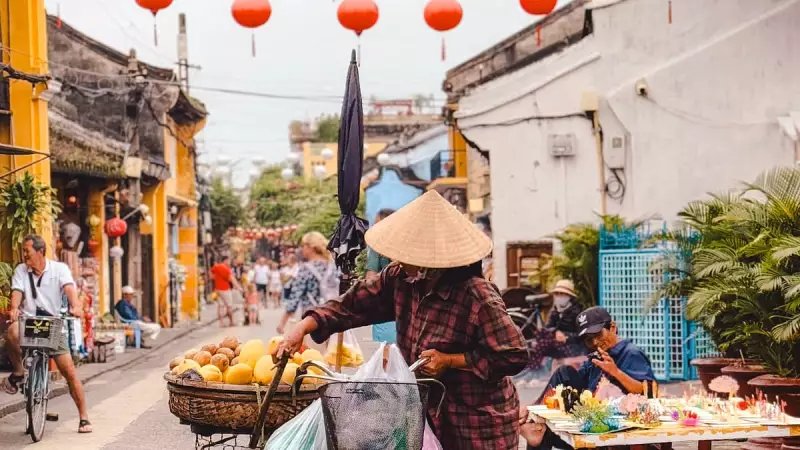
This quest for immersion manifests in several key ways. Travelers are increasingly drawn to living like a local—opting for homestays, participating in community-based tourism, and savoring authentic regional cuisine in neighborhood eateries rather than just hotel restaurants. There is a growing appetite for activities that offer a hands-on understanding of a destination's heritage, such as pottery workshops in Khurja, spice plantation tours in Kerala, or traditional textile weaving sessions in Varanasi.

Key Trends Redefining the Travel Landscape
The aspirations of this new traveler are crystallizing into distinct, powerful trends that the industry is rapidly adapting to.
Wellness and Rejuvenation Take Center Stage: Post the stresses of recent years, wellness has moved from a niche interest to a mainstream travel motivation. Indians are specifically looking for trips that promote holistic well-being. This goes beyond spa treatments to include yoga and meditation retreats in Rishikesh or Goa, Ayurvedic panchakarma programs in Kerala, and wellness-focused resorts that offer digital detoxes and nature therapy.
The Rise of "Bleisure" and Flexible Travel: The blending of business and leisure, known as "bleisure," is becoming standard practice. Professionals are extending work trips to explore the destination, often with family in tow. This trend is coupled with a strong demand for flexibility—travelers want free cancellation policies and adaptable itineraries that allow for spontaneous changes, a lesson firmly learned from the pandemic's disruptions.
Sustainability as a Conscious Choice: Environmental and social consciousness is no longer an afterthought. The modern Indian traveler is more aware of their footprint. There is a noticeable preference for eco-friendly accommodations, support for local artisans and guides, and a willingness to choose less crowded, off-beat destinations to reduce overtourism. Travelers are seeking experiences that give back to the community, making sustainability a key part of their travel decision-making process.
Implications for the Future of Indian Tourism
This seismic shift in traveler aspirations presents both a challenge and a tremendous opportunity for the tourism sector, both within India and for international destinations popular with Indian visitors.
Tour operators, hotels, and destination marketers must pivot from selling generic packages to curating personalized, experience-led itineraries. Success will depend on the ability to offer authentic, localized content that resonates with the desire for deep cultural immersion. Marketing must tell compelling stories about transformative journeys, not just display pictures of hotel lobbies.
Furthermore, the infrastructure needs to evolve. The demand for wellness and sustainable travel requires investments in relevant facilities and certifications. Destinations must develop and promote their unique cultural and experiential assets to attract this discerning traveler. The future belongs to those who can cater to the heart and mind of the new Indian traveler—who is not just visiting a place, but seeking to understand, feel, and grow from it.

In essence, travel for the new Indian explorer has become a form of self-expression and education. It is a purposeful activity aimed at enrichment, relaxation, and creating a tangible connection with the wider world. This evolution marks a mature and exciting new chapter for Indian outbound and domestic travel alike.