Exploring the World's Largest Birds: Giants of the Sky and Land
Birds are often celebrated for their grace, speed, and ability to soar through the skies. However, some of the most captivating avian species are not known for flight but for their impressive size and unique adaptations. This article delves into the top 10 largest birds in the world, highlighting their remarkable characteristics and the diverse locations where they thrive.
1. Ostrich – Sub-Saharan Africa
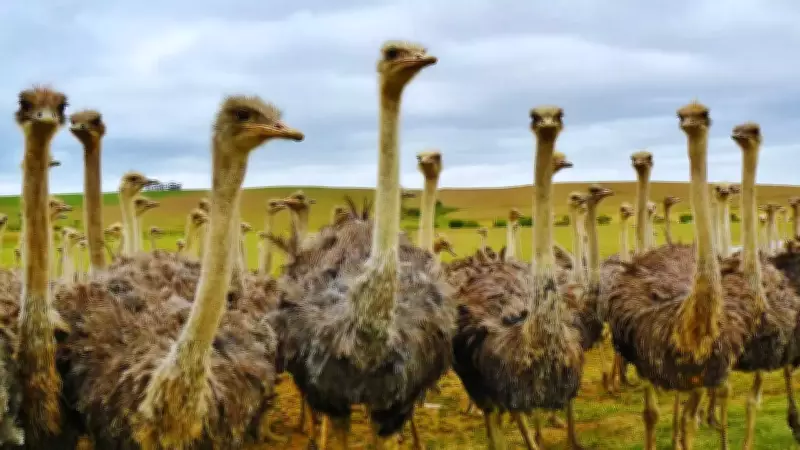
The ostrich holds the title as the largest and heaviest bird on Earth. Standing up to 2.7 meters tall and weighing over 150 kilograms, this flightless giant inhabits the savannas and deserts of Africa. Renowned for its incredible running speed, the ostrich can reach up to 70 kilometers per hour, making it a formidable presence in its native landscapes.
2. Southern Cassowary – Northern Australia and New Guinea
One of the heaviest birds globally, the Southern Cassowary grows up to 1.8 meters tall and weighs over 70 kilograms. Found in the dense rainforests of New Guinea and Australia, this flightless bird is easily recognized by its striking blue neck and helmet-like casque. Despite its size, it remains elusive due to its preference for thick forest habitats.

3. Emu – Australia
As the second tallest flightless bird after the ostrich, the emu reaches heights of nearly 2 meters. Native to Australia, these birds are adapted to various climates, including grasslands, savannahs, and open forests. With their long legs, emus are capable of covering vast distances in search of food and water, showcasing their endurance and agility.
4. Emperor Penguin – Antarctica
The Emperor Penguin is the tallest and heaviest penguin species, standing 1.2 meters tall and weighing up to 45 kilograms. Inhabiting the harsh conditions of Antarctica, these birds are a symbol of resilience in polar regions, thriving in one of the coldest environments on the planet.
5. Greater Rhea – South America
Resembling a smaller version of an ostrich, the Greater Rhea stands up to 1.7 meters tall and lives in the grasslands of South America, primarily in Argentina and Brazil. This flightless bird relies on its speed to evade predators, making it a swift runner across its open habitats.
6. Wandering Albatross – Southern Ocean
Known for having the largest wingspan of any bird, the Wandering Albatross can span up to 3.5 meters. Gliding effortlessly over the Southern Ocean, these majestic birds can travel immense distances without flapping their wings, embodying the spirit of oceanic exploration.
7. Dalmatian Pelican – Europe and Asia
Among the heaviest flying birds, the Dalmatian Pelican weighs up to 15 kilograms and boasts a wingspan approaching 3 meters. Found in wetlands across Europe and Asia, it is distinguished by its curly nape feathers and large bill, making it a prominent figure in aquatic ecosystems.
8. Andean Condor – Andes Mountains, South America
A symbol of the Andes Mountains, the Andean Condor is one of the largest flying birds with a wingspan of 3.3 meters. Native to countries like Peru, Chile, and Argentina, these majestic birds soar high above mountainous terrains, representing power and freedom in South American cultures.
9. Kori Bustard – Africa
Regarded as the heaviest flying bird in the world, the male Kori Bustard can weigh up to 18 kilograms. Inhabiting the grasslands of Africa, these birds prefer walking in open areas to hunt for insects and small animals, showcasing their ground-based foraging strategies.
10. Sarus Crane – South Asia and Southeast Asia
The Sarus Crane is the tallest flying bird, reaching heights of up to 1.8 meters. Commonly seen in wetlands across South Asia and Southeast Asia, it holds cultural significance in countries like India, where it is often associated with monogamous mating pairs and revered in local traditions.

Conclusion: A Global Perspective on Avian Giants
From the flightless ostrich in Africa to the soaring Andean Condor in South America, these 10 largest birds demonstrate the incredible diversity of avian life across continents. Each species has adapted uniquely to its environment, whether through speed, size, or flight capabilities, offering a fascinating glimpse into the natural world's wonders. Understanding their habitats and characteristics not only enriches our knowledge but also highlights the importance of conservation efforts to protect these magnificent creatures for future generations.