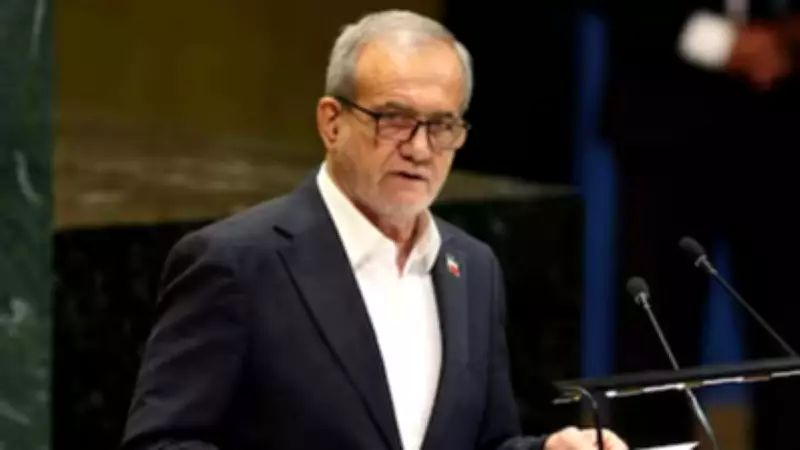
Iran Extends Formal Apology to Gulf Nations, Pledges to Halt Military Strikes
In a significant diplomatic development, Iran has issued a formal apology to several Gulf nations, including the United Arab Emirates (UAE) and Qatar, following a series of military attacks that targeted major cities such as Dubai, Abu Dhabi, and Doha. The Iranian government has explicitly stated that it will not carry out any further strikes, aiming to de-escalate rising tensions in the region.
Details of the Attacks and Immediate Aftermath
The recent attacks, which occurred in early March 2026, involved strikes on urban centers across the Gulf, causing widespread alarm and disrupting daily life in these economically vital areas. Cities like Dubai, known for its global financial hub, and Abu Dhabi, the capital of the UAE, were among the primary targets, along with Doha, the capital of Qatar. These incidents prompted swift international condemnation and raised fears of a broader regional conflict.
In response to the backlash, Iranian officials moved quickly to address the situation. A spokesperson for the Iranian government released a statement expressing regret for the attacks, emphasizing that such actions were not in line with Iran's foreign policy objectives. The apology was directed specifically at the affected Gulf nations, acknowledging the unintended consequences and the potential for escalated hostilities.

Iran's Commitment to Peace and Regional Stability
The Iranian government has now made a clear commitment to refrain from any future military strikes in the Gulf region. This pledge is seen as a strategic move to rebuild trust and foster diplomatic relations with neighboring countries. Analysts suggest that Iran's decision may be influenced by a desire to avoid further international isolation and economic sanctions, which have historically impacted its economy.
Moreover, this development comes amid ongoing geopolitical tensions in the Middle East, where Iran's relations with Gulf states have often been strained due to differing political ideologies and regional influence. By offering an apology and promising no more attacks, Iran is attempting to position itself as a responsible actor seeking to promote stability rather than conflict.
Reactions from Gulf Nations and the International Community
Initial reactions from the affected Gulf nations have been cautiously optimistic. Officials from the UAE and Qatar have acknowledged Iran's apology but have also called for concrete actions to back up the verbal assurances. They emphasized the need for transparent dialogue and confidence-building measures to prevent any recurrence of such incidents.
Internationally, this move has been welcomed by various stakeholders, including the United Nations and other global powers, who have long advocated for peaceful resolutions to conflicts in the Middle East. However, some experts remain skeptical, pointing to Iran's history of involvement in regional proxy wars and urging continued vigilance.
Implications for Future Diplomatic Engagements
This apology and pledge could pave the way for renewed diplomatic efforts between Iran and Gulf nations. Potential areas of cooperation might include security agreements, economic partnerships, and joint initiatives to address common challenges such as terrorism and maritime security. If sustained, this shift could lead to a more stable and collaborative environment in the Gulf region.
In conclusion, Iran's apology and commitment to halt strikes mark a pivotal moment in Middle Eastern diplomacy. While the long-term impact remains to be seen, this step offers a glimmer of hope for reduced tensions and enhanced regional cooperation in the coming years.