American Tourist's Repeated India Visit Hits Digital Payment Roadblock
An American traveler, visiting India for the fourth time, encountered an unexpected obstacle that had nothing to do with scams, language barriers, or financial limitations. The problem was a simple QR code that refused to scan properly, creating a cascade of frustrations throughout their journey across southern India.
The Digital Payment Dilemma at Tourist Sites
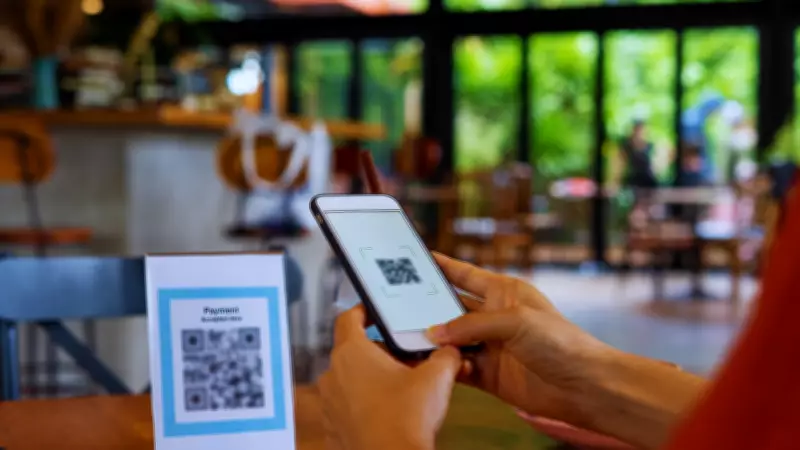
Standing outside yet another popular tourist destination in southern India, the traveler realized they weren't being denied entry due to inability to pay, but because their payment method couldn't be processed. Cash was refused outright. Credit and debit cards weren't accepted either. The entire transaction system depended exclusively on UPI (Unified Payments Interface), India's ubiquitous scan-and-pay digital payment network.
The traveler's smartphone consistently failed at the final loading screen during every payment attempt. According to their detailed Reddit post, this marked a significant departure from previous visits to northern India, where cash transactions had always been accepted without issue.

Widespread Digital-Only Infrastructure
Throughout Chennai, Mysuru, Bengaluru, and beyond, the traveler discovered that nearly every transaction point had transitioned to digital-only operations. Entry gates to historical sites, ticket counters at attractions, and even small street vendors operated exclusively through UPI payments.
"Using a US phone number with international eSIM services like Airalo and Tello, every payment attempt failed at exactly the same point," the traveler reported. The pattern became frustratingly predictable: scan the QR code, see the amount appear, watch the processing screen, experience the system getting stuck, receive a denial notification, and repeat the entire process.
Cascading Technical Difficulties
The payment problems represented just one aspect of a broader technological disconnect. One-time passwords (OTPs) for airline applications never arrived. Verification messages disappeared into digital voids. Multiple systems assumed the existence of a local Indian phone number that simply didn't exist for the traveler.
Compounding these technical issues were practical travel challenges including relentless monsoon rains, hotel booking mix-ups, communication breakdowns, and mounting exhaustion. What began as an anticipated cultural journey gradually transformed into a series of frustrating obstacles, with the digital payment failures serving as the most persistent and demoralizing element.
Community Responses Reveal Solutions
When the traveler finally shared their experience on Reddit, responses arrived quickly, offering both perspective and practical solutions. Seasoned visitors and residents explained that this wasn't a failure of India's digital infrastructure, but rather a failure of preparation for the country's payment ecosystem.
Several key solutions emerged from the discussion:
- Airports now feature dedicated UPI help desks specifically designed to assist foreign visitors with payment setup
- The most straightforward solution involves obtaining a local Indian SIM card, available for approximately $5 for 30 days of service
- Alternative payment applications that authenticate through WhatsApp instead of traditional SMS messages
- eSIM services that provide actual Indian phone numbers rather than just data connectivity
- The traditional advice of carrying both physical cash and international credit/debit cards as backup options
Two Primary Pathways for Foreign UPI Access
For foreign nationals and non-resident Indians (NRIs), accessing UPI services follows two distinct routes:

- Using a foreign mobile number with limited application options including CheqUPI and Mony. These platforms require passport and visa documentation uploads followed by in-person verification to activate digital wallets. CheqUPI additionally charges a one-time onboarding fee.
- Obtaining an Indian phone number to use wallet-based UPI applications. These allow UPI payments directly from in-app wallets without requiring linkage to Indian bank accounts, making them particularly useful for NRIs who lack domestic banking relationships. Wallets can be funded through international debit/credit cards or internet banking services.
One commenter noted that "activating UPI as an American is nearly impossible unless you know exactly where to go and what applications to download." Another shared their positive experience, explaining that their UPI setup took less than one hour once they followed the correct procedures.
The Changing Landscape of International Travel
This experience highlights how dramatically travel has transformed in ways traditional guidebooks haven't fully documented. India's remarkable digital leap has streamlined daily life tremendously for those integrated into the system. However, for visitors operating outside established digital frameworks, even minor gaps can create disproportionately significant obstacles.
A decade ago, the primary risk for travelers involved not carrying sufficient physical currency. Today, not possessing the correct type of phone number can create substantial difficulties not only in India but potentially anywhere in our increasingly digital global landscape.
For most travelers, the solution proves relatively minor once identified and implemented. But until that moment of understanding arrives, a simple QR code can transform into an unexpected gatekeeper, quietly reminding visitors that in a world rapidly advancing toward frictionless digital payments, access itself has become something that must be deliberately earned and properly configured.