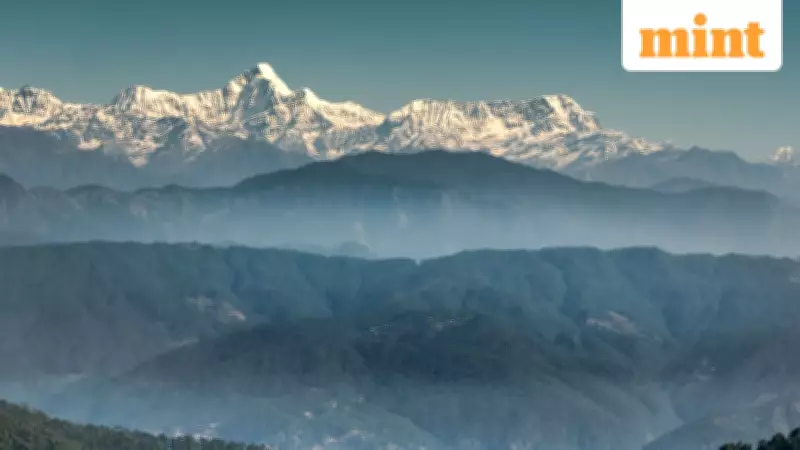
Uttarakhand Opens 83 Himalayan Peaks to Boost Mountaineering and Adventure Tourism
In a landmark move to strengthen adventure tourism, Uttarakhand has officially opened 83 major Himalayan peaks for mountaineering expeditions. This significant policy initiative, implemented by the Uttarakhand Tourism Development Council in coordination with the Forest Department, aims to position the state as a premier global destination for climbers while promoting economic growth in remote and border regions.
Expansive Peak Access Across Garhwal and Kumaon
The newly accessible peaks are spread across the Garhwal and Kumaon regions, with elevations ranging from 5,700 metres to an impressive 7,756 metres. This diverse portfolio includes world-renowned summits such as Kamet, Nanda Devi East, Chaukhamba, Trishul, Shivling, Satopanth, Changabang, Panchachuli, and Neelkanth. By offering a wide array of climbing challenges, Uttarakhand seeks to attract both novice and experienced mountaineers from around the world.
Financial Incentives for Domestic and International Climbers
For Indian mountaineers, the state has introduced a comprehensive fee waiver, eliminating all expedition-related charges for the notified peaks. This includes peak fees, camping charges, and environmental fees previously levied by the Indian Mountaineering Foundation and the Forest Department. This initiative is expected to lower barriers for young climbers who were previously deterred by high costs, fostering a new generation of adventure enthusiasts.

For foreign mountaineers, Uttarakhand has streamlined the fee structure, removing additional state-level charges. They will now only need to pay the fees prescribed by the Indian Mountaineering Foundation, a move officials believe will enhance the state's international competitiveness and lead to a surge in foreign expeditions.
Streamlined Permissions and Economic Benefits
All mountaineering permissions will be processed through the Uttarakhand Mountaineering Permission System, an online portal designed to streamline approvals and improve transparency. This digital approach is set to reduce bureaucratic delays and make the application process more efficient for climbers.
The policy is also projected to generate substantial employment opportunities in local communities. Increased demand for guides, porters, transport services, and homestays is expected to strengthen the rural economy and reduce migration from these areas. By integrating tourism with community development, Uttarakhand aims to create sustainable livelihoods in its Himalayan regions.
Emphasis on Safety and Environmental Sustainability
Authorities have underscored that safety protocols and environmental regulations will be strictly enforced. Expeditions will be required to follow sustainable practices and adhere to the "Leave No Trace" principle to protect the fragile Himalayan ecosystem. This commitment ensures that tourism growth does not come at the expense of environmental degradation.
Alignment with National Tourism Initiatives
This initiative aligns with broader national efforts to promote tourism in hill states, including the development of eco-friendly mountain trails announced in the Union Budget 2026–27. By leveraging its natural assets, Uttarakhand is poised to become a key player in India's adventure tourism landscape, offering unique experiences while supporting local economies and preserving its pristine environment.