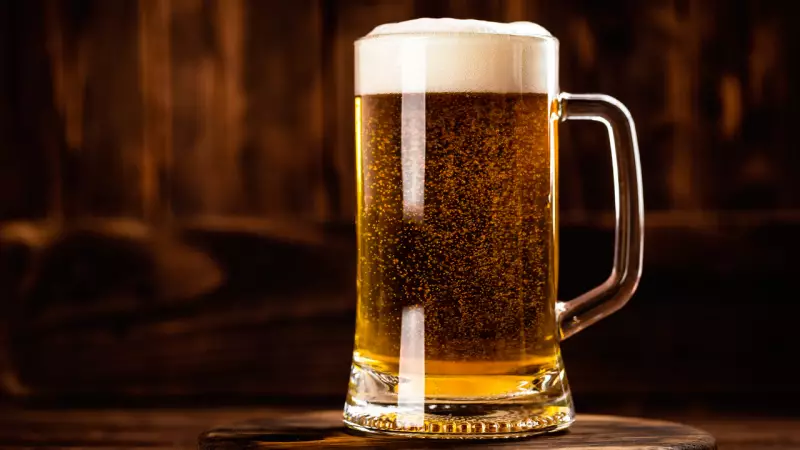
Imagine a place where winding down after a long day doesn't require a hefty bill. In Vietnam, particularly in the bustling streets of Hanoi, you can enjoy a freshly brewed glass of beer for a price that undercuts a bottle of water. For roughly Rs 20 to Rs 35, you can join locals on plastic stools, watch the world go by, and sip on a light, crisp brew known as Bia Hoi.
The Star of the Show: What is Bia Hoi?
This isn't a promotional gimmick for tourists; it's a deeply ingrained part of daily Vietnamese life. The hero of this ultra-affordable drinking scene is Bia Hoi, a distinctive draft beer most commonly found in northern Vietnam, with Hanoi being its epicentre. Brewed fresh daily using local methods, this beer is meant to be consumed within hours, ensuring peak freshness. It's a light-bodied beer with a low alcohol content, typically hovering around 2-3 percent. This characteristic makes it perfect for prolonged, social drinking sessions focused on conversation rather than rapid intoxication.
At the ubiquitous street-side stalls, the experience is refreshingly simple. Beer is dispensed directly from metal kegs into small glasses. There's no fancy branding, elaborate menu, or ceremony. The price, ranging from 5,000 to 10,000 Vietnamese Dong (approx. Rs 20-35), is the only detail that matters. The real value lies in the communal atmosphere it fosters.

Why is Alcohol So Inexpensive in Vietnam?
Vietnam's remarkably low beer prices are not a happy accident but the result of several converging factors. The first is hyper-local production. Bia Hoi and many other local beers are brewed nearby using straightforward techniques and minimal processing. This eliminates the costs associated with long-distance transportation, complex supply chains, and expensive packaging.
Secondly, government taxation policy plays a crucial role. While imported spirits and premium alcohols can carry significant price tags, everyday local beer is taxed at a lower rate, keeping it accessible to the masses. This deliberate policy helps maintain beer as an affordable social commodity.
Finally, the very nature of the street-side economy cuts overheads to the bone. Patrons aren't paying for air-conditioning, plush interiors, or extensive service. The setting—plastic stools on a sidewalk, shared tables, and a simple keg—is integral to both its charm and its cost-effectiveness.
More Than a Drink: A Cultural Ritual
In Vietnam, enjoying a Bia Hoi is less about the alcohol and more about the connection. It's a seamless part of the daily routine. Office workers gather after hours, friends meet casually, and neighbours catch up, all over glasses of this mild brew. The goal is social bonding, not excess.
This is vividly on display in Hanoi's Old Quarter, where Bia Hoi corners transform into vibrant, informal social hubs as evening falls. Strangers often find themselves sitting side-by-side, clinking glasses, sharing simple snacks, and bridging language gaps through gestures and smiles. The low cost encourages a culture of moderation; when beer is not a luxury item, there's less pressure to overindulge.
A common misconception among visitors is that cheap alcohol equates to poor quality or safety concerns. For Bia Hoi, freshness is the ultimate guarantee of safety. Because it's made and sold on the same day, there's minimal risk of spoilage. Locals frequent trusted stalls with high turnover, a practice tourists are wise to follow. Choosing a busy vendor with a constant stream of customers is the best way to ensure you're getting the freshest brew.
Globally, alcohol is often a premium product burdened by high taxes, branding markups, and licensing fees. Vietnam, especially at its street level, resists this trend. Beer remains a powerful social equalizer. While upscale bars and cocktail lounges exist in cities like Ho Chi Minh City, the enduring presence of a Rs 35 beer is what makes Vietnam's culture uniquely accessible.
Ultimately, Vietnam's affordable beer culture reflects a broader philosophy where simple pleasures are valued. It's a reminder that genuine enjoyment doesn't require polish or a high price tag—sometimes, all it needs is a cold glass, a plastic stool, and good company.