

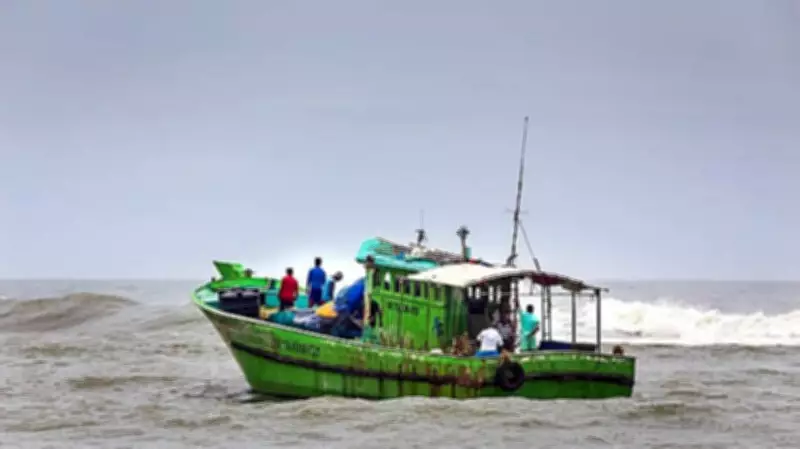
Sri Lankan Navy Detains 12 Indian Fishermen Over Poaching Allegations
In a development that underscores the persistent maritime tensions between India and Sri Lanka, the Sri Lankan Navy has arrested 12 Indian fishermen for allegedly engaging in illegal fishing activities in Sri Lankan territorial waters. The incident, which occurred recently, involves fishermen hailing from the Indian state of Tamil Nadu, who were apprehended while operating in the sensitive Palk Strait region.
Details of the Arrest and Allegations
The Sri Lankan Navy reported that the fishermen were taken into custody after they were found poaching in Sri Lankan waters, a violation of maritime boundaries and local fishing laws. The arrested individuals are now facing legal proceedings in Sri Lanka, with charges likely to include trespassing and illegal fishing. This arrest follows a pattern of similar incidents in the past, where Indian fishermen have been detained for crossing into Sri Lankan waters, often citing traditional fishing grounds and economic necessity as reasons for their presence.
The Palk Strait, a narrow waterway separating India and Sri Lanka, has long been a flashpoint for fishing disputes. Both countries have overlapping claims and historical fishing practices that complicate enforcement of maritime boundaries. Indian fishermen, particularly from Tamil Nadu, frequently venture into these waters in search of better catch, leading to confrontations with the Sri Lankan authorities.

Impact on Bilateral Relations and Local Communities
This latest arrest is expected to strain diplomatic ties between India and Sri Lanka, with Indian officials likely to raise the issue through diplomatic channels to secure the release of the fishermen. The Indian government has consistently advocated for the humane treatment of its citizens and sought to resolve such disputes through dialogue and cooperation. However, Sri Lanka maintains its right to protect its maritime resources and enforce its laws against poaching.
For the local fishing communities in Tamil Nadu, such arrests pose significant economic and social challenges. Many families depend on fishing for their livelihood, and detentions disrupt income and create uncertainty. There have been calls from Indian stakeholders for a permanent solution, such as a bilateral fishing agreement or joint patrols, to prevent future incidents.
Historical Context and Ongoing Tensions
The issue of Indian fishermen being arrested by the Sri Lankan Navy is not new; it has recurred over the years, often escalating during peak fishing seasons. Factors contributing to these tensions include:
- Resource Competition: Both Indian and Sri Lankan fishermen compete for fish stocks in the Palk Strait, leading to overfishing and boundary violations.
- Maritime Boundaries: The unclear demarcation of waters and traditional fishing rights add to the complexity, with fishermen sometimes unintentionally crossing borders.
- Legal Enforcement: Sri Lanka has stepped up naval patrols to curb illegal fishing, resulting in more frequent arrests of Indian nationals.
In response, India has occasionally provided consular assistance and legal support to detained fishermen, emphasizing the need for a compassionate approach. The two nations have engaged in talks to address the issue, but a lasting resolution remains elusive, with incidents like this latest arrest highlighting the ongoing friction.
Looking Ahead: Potential Resolutions and Diplomatic Efforts
As the situation unfolds, attention will be on how India and Sri Lanka manage this incident. Key aspects to watch include:

- Diplomatic Negotiations: Indian authorities are expected to engage with Sri Lankan counterparts to secure the release of the fishermen and discuss preventive measures.
- Community Impact: The arrest may prompt protests or appeals from fishing associations in Tamil Nadu, urging government intervention.
- Long-term Solutions: There is a growing need for a bilateral framework that respects both countries' sovereignty while accommodating traditional fishing practices.
This event serves as a reminder of the delicate balance required in managing shared maritime resources and the importance of sustained dialogue to avoid escalation. The welfare of the arrested fishermen and the broader implications for regional stability will likely dominate discussions in the coming days.





