

Over 1,700 Indian Nationals Evacuated from Iran via Land Borders Amid Regional Conflict
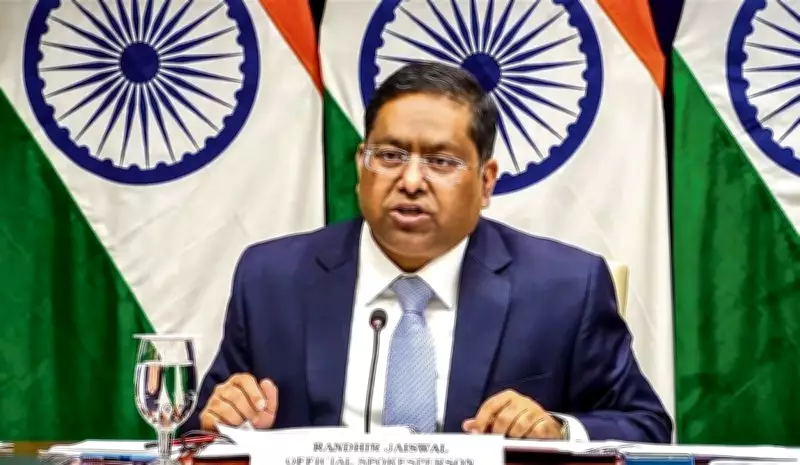
The Ministry of External Affairs (MEA) has officially confirmed that more than 1,700 Indian citizens have successfully exited Iran through land border crossings in recent days. This evacuation effort comes as tensions escalate in the West Asia region, prompting urgent measures to ensure the safety of Indian nationals residing or traveling in affected areas.
MEA's Proactive Measures and Ongoing Assistance
According to the MEA, the evacuation process has been conducted smoothly, with Indian authorities coordinating closely with Iranian officials to facilitate safe passage. The ministry emphasized that the operation is part of a broader contingency plan to assist Indians in the region, with teams on the ground providing necessary support and guidance.
The MEA stated that efforts are continuing to help other Indian nationals who may still be in Iran or neighboring countries, ensuring they have access to consular services and evacuation options if required. This includes monitoring the situation closely and maintaining open communication channels with local authorities.

Context of the West Asia Conflict and Its Impact
The evacuation follows heightened geopolitical tensions in West Asia, which have raised concerns about regional stability and the safety of foreign nationals. The conflict involves multiple actors and has led to increased military activity, prompting several countries to issue travel advisories and initiate evacuation plans for their citizens.
For India, this situation underscores the importance of robust diplomatic and crisis management mechanisms, especially given the significant Indian diaspora in the Gulf and surrounding regions. The MEA's response highlights the government's commitment to protecting its citizens abroad during emergencies.
Details of the Evacuation Process
The land border exits were organized through designated crossing points, with Indian officials assisting in logistics and documentation. Key aspects of the operation include:
- Coordination with Iranian border authorities to ensure seamless processing.
- Provision of transportation and temporary accommodation for evacuees.
- Regular updates to families and the public via official channels.
While the exact locations of the border crossings have not been disclosed for security reasons, the MEA assured that all evacuees are safe and receiving necessary care. The ministry also advised Indian nationals in the region to register with the Indian embassy and follow official guidelines.
Broader Implications and Future Steps
This evacuation is part of India's larger strategy to manage overseas crises, reflecting lessons learned from previous incidents in conflict zones. The MEA noted that it remains in touch with other countries in the region to assess the situation and coordinate if further actions are needed.
The successful exit of over 1,700 Indians demonstrates the effectiveness of India's diplomatic and logistical preparedness, though challenges may persist as the conflict evolves. The government continues to urge caution and adherence to travel advisories for those planning visits to West Asia.
In summary, the MEA's confirmation of this evacuation underscores a swift and organized response to emerging threats, prioritizing citizen safety amid global uncertainties. Ongoing efforts will focus on supporting remaining Indians and monitoring regional developments closely.






