

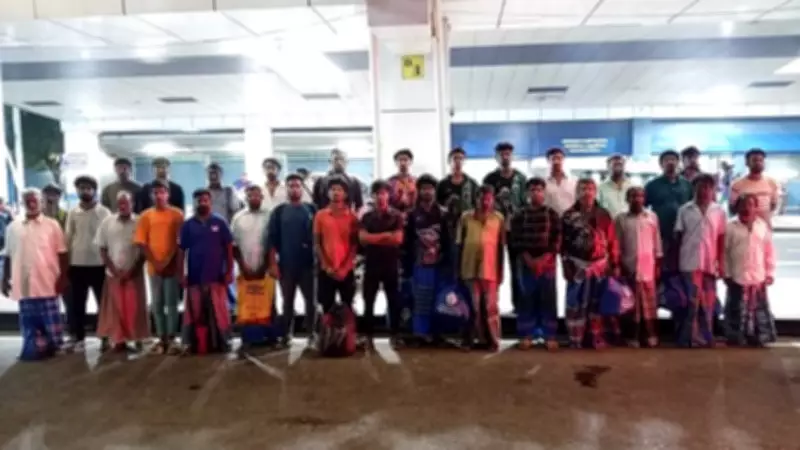
Thirty Indian Fishermen Successfully Repatriated from Sri Lanka and Head Home
In a significant diplomatic development, thirty Indian fishermen who were detained in Sri Lanka have been repatriated and are now on their way back to their homes in India. The Indian High Commission in Sri Lanka officially confirmed this repatriation process, which marks a positive step in addressing the longstanding and contentious issue of fishing rights between the two neighboring nations.
Details of the Repatriation Process
The repatriation was carried out smoothly, with the fishermen being handed over to Indian authorities. According to sources, the fishermen are expected to arrive in India shortly, where they will be reunited with their families after their period of detention. The Indian High Commission has been actively involved in facilitating their safe return, highlighting the ongoing diplomatic efforts to resolve such cross-border incidents.
This event underscores the complex nature of India-Sri Lanka relations, particularly concerning fishing activities in the Palk Strait. The area has been a flashpoint for disputes, with frequent incidents of fishermen from both countries crossing maritime boundaries, often leading to arrests and detentions.

Background of the Fishing Dispute
The issue of Indian fishermen in Sri Lankan waters is a deeply contentious one that has strained bilateral ties for years. Key points of contention include:
- Maritime Boundaries: The unclear demarcation of the International Maritime Boundary Line (IMBL) in the Palk Strait often leads to inadvertent crossings by fishermen.
- Resource Competition: Both Indian and Sri Lankan fishermen rely on the rich fishing grounds in the region, leading to competition and conflicts over fishing rights.
- Security Concerns: The Sri Lankan Navy has occasionally taken stringent measures, including firing at Indian fishermen, citing security threats and illegal fishing activities.
These factors have contributed to a volatile environment, making the repatriation of detained fishermen a recurring challenge in diplomatic negotiations.
Diplomatic Efforts and Future Implications
The successful repatriation of these thirty fishermen is seen as a testament to the ongoing diplomatic dialogue between India and Sri Lanka. Officials from both sides have been engaged in talks to find a lasting solution to the fishing dispute, aiming to prevent such incidents in the future.
However, experts warn that without a comprehensive agreement on fishing rights and maritime boundaries, similar detentions could recur. The need for enhanced cooperation, joint patrolling mechanisms, and community-level engagements has been emphasized to mitigate tensions and ensure the safety and livelihoods of fishermen from both countries.
As the fishermen return home, this event serves as a reminder of the delicate balance required in managing cross-border issues and the importance of sustained diplomatic efforts in fostering regional stability.






