

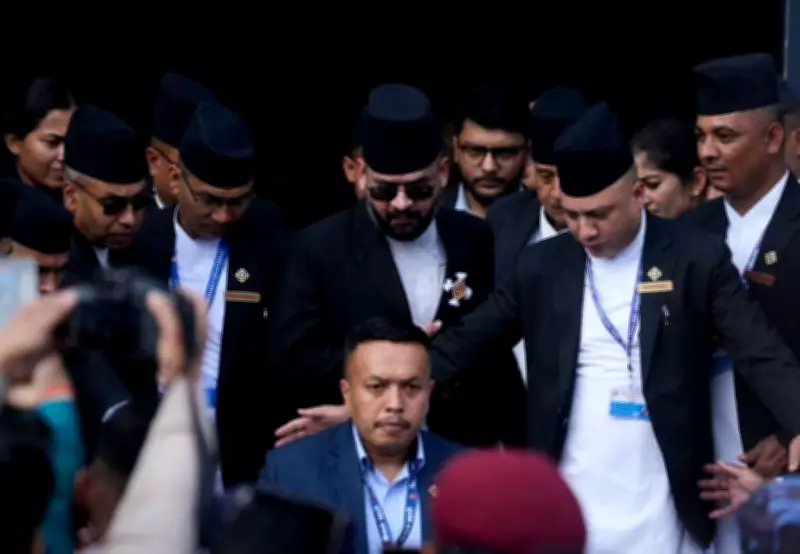
Balendra Shah 'Balen' Takes Oath as Nepal's Youngest Prime Minister
In a historic moment for Nepal, Balendra Shah, widely recognized by his nickname 'Balen', has been sworn in as the country's youngest Prime Minister. This event, which took place on March 27, 2026, signifies a major political transformation in the Himalayan republic, with a new generation of leadership stepping into power.
A New Era in Nepalese Politics
The swearing-in ceremony was conducted with full constitutional formalities, as Balendra Shah assumed the role of Prime Minister, bringing fresh perspectives and youthful energy to the forefront of Nepal's governance. His appointment is seen as a response to the growing demand for dynamic and progressive leadership among the Nepalese populace, particularly the youth.
Balendra Shah, often referred to simply as 'Balen', has gained prominence through his grassroots activism and innovative approaches to public service. His rise to the prime ministerial position underscores a shift towards more inclusive and forward-thinking political strategies in Nepal.

Background and Political Journey
Prior to becoming Prime Minister, Balendra Shah was actively involved in various social and political movements, advocating for issues such as urban development, environmental sustainability, and youth empowerment. His background includes a mix of academic pursuits and practical engagement with community-level challenges, which has resonated well with voters across the country.
His political journey has been marked by a commitment to transparency and efficiency, key factors that contributed to his electoral success. As the youngest person to hold the office of Prime Minister in Nepal's history, Balendra Shah represents a break from traditional political norms and an embrace of modern governance principles.
Implications for Nepal's Future
The inauguration of Balendra Shah as Prime Minister is expected to have far-reaching implications for Nepal's domestic and international policies. Analysts predict that his administration will focus on:
- Economic Reforms: Implementing policies to boost economic growth, attract foreign investment, and create job opportunities for the youth.
- Infrastructure Development: Prioritizing projects that enhance connectivity, such as roads, telecommunications, and energy systems.
- Social Welfare: Strengthening healthcare, education, and social security programs to improve the quality of life for all citizens.
- Environmental Conservation: Addressing climate change and promoting sustainable practices to protect Nepal's natural resources.
Furthermore, his leadership is likely to influence Nepal's diplomatic relations, potentially fostering stronger ties with neighboring countries and global partners. The international community is closely watching this development, as it could signal a new chapter in South Asian politics.
Public Reaction and Expectations
The public response to Balendra Shah's appointment has been overwhelmingly positive, with many citizens expressing hope for positive change and effective governance. Social media platforms have been abuzz with messages of support and congratulations, highlighting the widespread enthusiasm for his premiership.
However, challenges remain, as the new Prime Minister will need to navigate complex political landscapes, manage coalition dynamics, and deliver on his promises amidst high expectations. His ability to balance innovation with practicality will be crucial in determining the success of his tenure.
In conclusion, the swearing-in of Balendra Shah 'Balen' as Nepal's youngest Prime Minister marks a pivotal moment in the nation's history. It reflects a broader trend towards youth-driven leadership and sets the stage for potential reforms that could shape Nepal's trajectory for years to come. As he takes on this role, the focus will be on how he translates his vision into actionable policies that benefit the people of Nepal.






