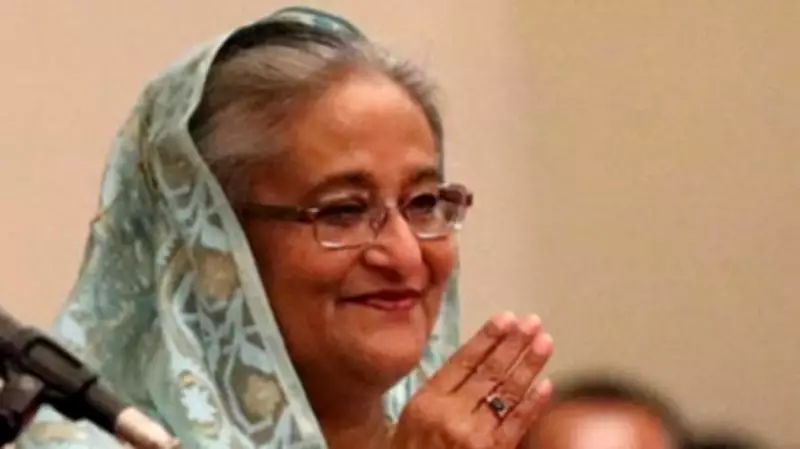
Bangladesh's government is undertaking all necessary steps to bring back former Prime Minister Sheikh Hasina to face trial, a senior minister confirmed on Thursday. The announcement comes as India stated it is reviewing Dhaka's formal request for Hasina's extradition through its judicial and internal legal frameworks.
Minister Confirms Efforts for Extradition
The minister, speaking on condition of anonymity, said the current administration is committed to ensuring Hasina faces justice for alleged crimes committed during her tenure. “We are doing everything within our legal and diplomatic capacity to bring Sheikh Hasina back to Bangladesh to stand trial,” the minister told reporters in Dhaka. The statement marks the first official confirmation of active extradition efforts by the new government.
India's Response to Extradition Request
India's Ministry of External Affairs confirmed it has received the extradition request from Bangladesh and is examining it. “We are looking into the request as part of our ongoing judicial and internal legal processes,” a ministry spokesperson said. India and Bangladesh share an extradition treaty signed in 2013, which covers a range of offenses. Legal experts note that the process could be lengthy, as Indian courts typically review such requests for compliance with domestic laws and human rights standards.

Background on Sheikh Hasina's Situation
Sheikh Hasina, who served as Prime Minister of Bangladesh from 2009 to 2024, fled to India following a mass uprising in July 2024 that ousted her government. She has been living in India since then. The new Bangladeshi government, led by an interim administration, has accused Hasina of corruption, human rights abuses, and involvement in the violent crackdown on protesters that left hundreds dead. Hasina has denied all allegations, calling them politically motivated.
Diplomatic Implications
The extradition request adds a layer of complexity to India-Bangladesh relations, which have been historically strong. India has traditionally been a key ally of Bangladesh, but the new government in Dhaka has signaled a more independent foreign policy. Analysts say India will likely proceed cautiously, balancing its legal obligations with diplomatic considerations. “India will not want to be seen as harboring a fugitive, but it also must ensure due process,” said a South Asia expert at a Delhi-based think tank.
Next Steps in the Legal Process
Bangladesh's law ministry has prepared a detailed dossier outlining the charges against Hasina, which has been submitted to Indian authorities. The next step is for an Indian court to issue a provisional arrest warrant if prima facie evidence is found. Hasina's legal team in India is expected to challenge the extradition, arguing that the charges are politically motivated and that she would not receive a fair trial in Bangladesh. The process could take months or even years, depending on legal appeals.