

BNP Adviser Advocates for Regional Unity Against Extremism and Balanced Diplomacy
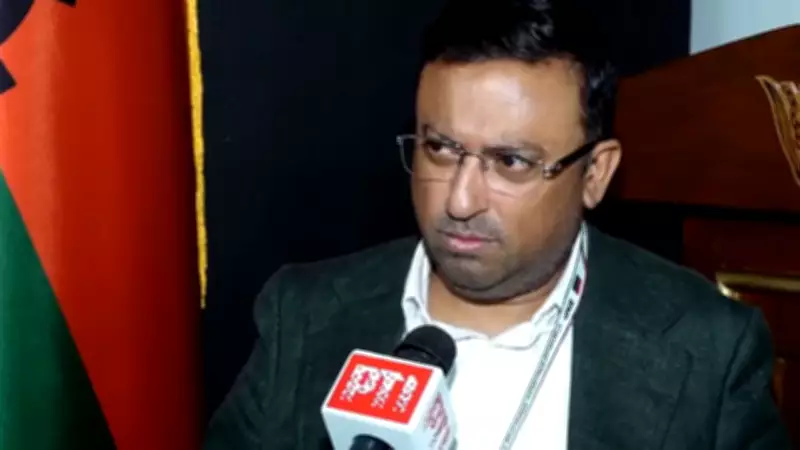
In a significant interview with PTI on Saturday, Humayun Kabir, an adviser to Bangladesh Nationalist Party (BNP) chairman Tarique Rahman, addressed pressing regional issues, emphasizing the persistent threat of radicalisation across South Asia. Kabir underscored the critical need for enhanced regional cooperation to combat extremism, while also outlining the BNP's vision for a more balanced foreign policy, particularly regarding relations with India, should the party assume power.
Growing Extremism: A Shared Challenge in South Asia
Kabir articulated that radicalisation is not confined to any single nation but poses a widespread problem throughout the region. He pointed to the rise of Hindu extremism and far-right intolerance in Indian society, as well as extremist elements in Pakistan, noting that while Bangladesh faces some issues, the situation is not as severe. "Radicalisation is a problem in South Asia. We see Hindu extremism and far-right intolerance growing in Indian society, and in Pakistan, we also hear of extremist elements. In Bangladesh, it is not at that level, but there are some issues," he stated.
He stressed that isolated efforts by governments are insufficient, advocating for a collaborative approach. "That is why all of us need to share counter-terrorism evidence and assessments and strengthen cooperation. Sitting in isolation and not engaging in information exchange or security cooperation only hinders progress," Kabir explained. He further emphasized that such cooperation is essential for building confidence in detecting and tracking terrorists and extremists across borders.

Balanced Foreign Policy and Minority Safety Concerns
Addressing India's concerns over the safety of minorities, especially Hindus in Bangladesh, Kabir responded to allegations of minority violence. He maintained that communal harmony prevails in Bangladesh, contrasting it with incidents seen in India. "The minority violence seen in India does not exist in the same form in Bangladesh, where communal harmony prevails," he asserted.
Kabir also critiqued the foreign policy of the previous government led by Sheikh Hasina, suggesting it was overly aligned with India. "For the last 15 years under the Hasina regime, there have been deep and disturbing concerns that the foreign policy was more aligned with India's foreign policy rather than Bangladesh's," he remarked. In response, he outlined the BNP's commitment to a more balanced approach. "What we want are balanced relations. We will not limit our relationships to a single country, and we will not accept any agreements that prevent us from doing business with others. We will avoid such agreements and disclosures," Kabir declared.
Political Context and Recent Developments
Providing context on Bangladesh's political landscape, Kabir referenced the aftermath of the 5th August uprising, noting that despite five days without a government, no attacks on minorities occurred, crediting Tarique Rahman's leadership for maintaining calm. "After the 5th August uprising, Bangladesh was without a government for five days, yet no one attacked minorities, as our leader, Tarique Rahman, urged people to remain calm and not take the law into their own hands," he explained.
These remarks come as the BNP secured a sweeping victory with more than a two-thirds majority in parliamentary elections following the 2024 uprising that led to Sheikh Hasina's ouster. The issue of minority safety has gained renewed attention after recent violent incidents, such as the hacking death of a 62-year-old Hindu trader, Susen Chandra Sarkar, in Mymensingh district just days before the elections.
Kabir's statements highlight the BNP's proactive stance on regional security and diplomatic relations, positioning the party as a potential architect of a new era in South Asian cooperation and foreign policy balance.






