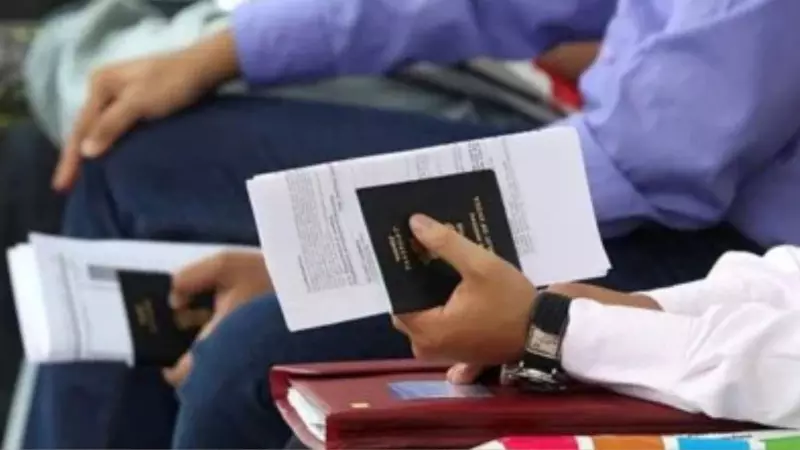
A significant discrepancy has surfaced in the official deportation statistics shared by Canada and India for the year 2025, highlighting a fundamental difference in how the two nations track and define the removal of foreign nationals.
The Stark Contrast in Official Numbers
According to data published by the Canada Border Services Agency (CBSA), a total of 2,831 Indian nationals were removed from Canada between January and October 2025. This figure positioned India as the second-highest country of citizenship for removals, following Mexico which had 3,972 cases. Overall, Canada conducted between 18,785 and 18,969 removals across all nationalities in that period.
In sharp contrast, India's Ministry of External Affairs (MEA) informed Parliament that merely 188 Indian nationals were deported from Canada throughout the entire year of 2025. This number was part of a global total where over 24,600 Indians were deported worldwide, with nations like Saudi Arabia reporting much higher figures.

Understanding Canada's "Enforced Removals"
The vast gap, experts suggest, stems from definitional differences. The CBSA categorises its figures as "enforced removals," a broad term that encompasses all executed removal orders. This includes:
- Confirmed departures from Canada.
- Confirmations of departures made from overseas posts.
- Administrative removals, where individuals self-deport after providing proof of exit.
CBSA data indicates that the overwhelming majority—approximately 92 percent—of these removals were completed without an escort, meaning individuals left voluntarily after receiving an order. Only around 8 percent involved escorted removals, typically reserved for higher-risk cases.
India's Likely Count of Forced Deportations
Immigration analysts point out that while Canada's data includes voluntary compliance with a legally enforceable order, receiving countries like India often officially count only forced, escorted deportations. These are cases where an individual is physically returned under the direct supervision of officials, which aligns more closely with the MEA's reported figure of 188.
Neither the CBSA nor Immigration, Refugees and Citizenship Canada has publicly commented on the Indian government's figures or the apparent discrepancy. The final, comprehensive statistics for 2025 are scheduled for release in 2026.
The rise in removals of Indian nationals—showing a 41 percent increase from the previous year—coincides with broader Canadian immigration enforcement trends in 2025. These include higher asylum claim rejection rates for Indians and increased scrutiny of temporary residents as Canada works to manage overall immigration levels. The CBSA maintains that removal priorities are based on risk assessments, including criminality and non-compliance.