

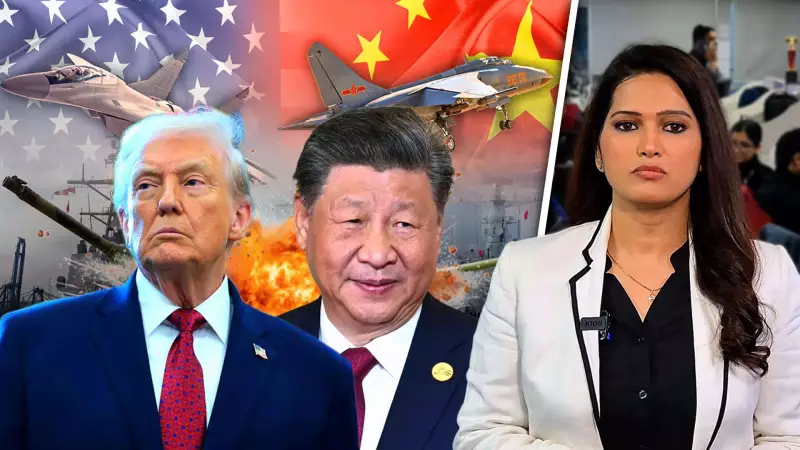
A recent report from the United States Pentagon has cast a spotlight on China's complex and seemingly contradictory strategic maneuvers in South Asia. The analysis draws a clear distinction between the diplomatic optics and the hard military realities shaping the region. While India and China have taken steps to reduce tensions along their disputed border, the underlying distrust remains a significant barrier to a genuine thaw. According to the Pentagon, Beijing's primary motive for seeking calm with New Delhi is to prevent India from moving irrevocably into America's strategic orbit.
The Facade of Diplomacy and the Reality of Distrust
The report, released in late December 2025, acknowledges the tangible progress made on the ground. Indian and Chinese forces have disengaged from several key flashpoints along the Line of Actual Control (LAC), and structured dialogue between the two nations has resumed. These developments have contributed to a surface-level reduction in border tensions. However, Washington's assessment is blunt: deep-seated strategic suspicion continues to define the relationship, limiting its potential for a meaningful partnership. The diplomatic channels, while active, operate within a narrow corridor of mutual wariness.
Military Buildup in Pakistan: China's Long-Term Priority
Even as talks with India proceed, the Pentagon documents a parallel and aggressive track of Chinese military cooperation with Pakistan. This support is not incremental but represents a dramatic expansion. Beijing is providing Islamabad with advanced fighter jets, sophisticated drones, and modern naval vessels. Perhaps most alarmingly for Indian strategists, the report hints at the possibility of China gaining enhanced basing access within Pakistan. This military pipeline underscores where Beijing's enduring strategic interests are anchored. The bolstering of Pakistan's armed forces is viewed as a direct counterweight to India's growing influence and capabilities.

India's Strategic Dilemma: Diplomacy and a Two-Front Reality
For India, the Pentagon's findings serve as a stark reminder of its geopolitical predicament. The nation must navigate a delicate diplomatic engagement with Beijing while simultaneously preparing for an intensifying two-front security challenge. The report crystallizes the view that China's outreach to India is tactical—aimed at managing immediate friction—while its empowerment of Pakistan is strategic and long-term. This dual approach forces New Delhi to walk a tightrope, engaging in dialogue to maintain border peace but remaining vigilant against an increasingly coordinated threat from its northern and western fronts.
The conclusion for Indian policymakers is clear: while dialogue is necessary to manage immediate crises on the LAC, it cannot be mistaken for a fundamental shift in China's regional strategy. The simultaneous calming of one border and the arming of a rival on another presents a complex and enduring security puzzle that will define India's defense and foreign policy for years to come.






