

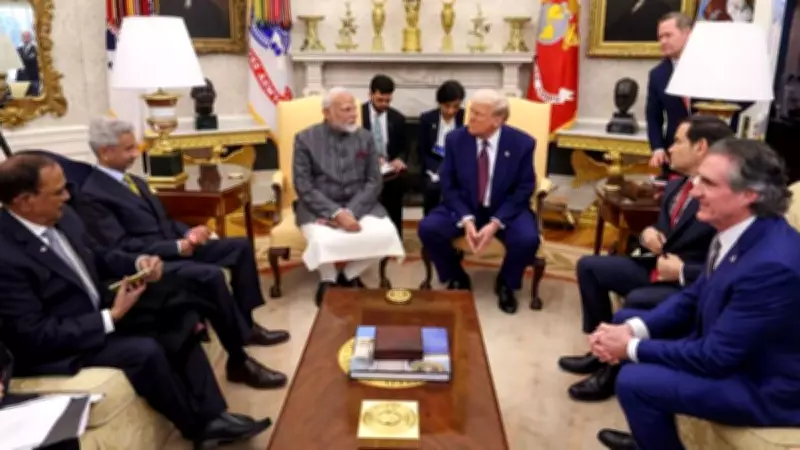
NSA Ajit Doval's Firm Stance to US Senator Marco Rubio Amid Tariffs Tensions
In a significant diplomatic development, National Security Advisor Ajit Doval has reportedly conveyed a strong message to United States Senator Marco Rubio regarding the ongoing trade disputes between India and the US. According to a recent report, Doval emphasized that India will not be bullied into submission and is strategically positioned to wait out the remainder of President Donald Trump's term. This exchange highlights the escalating tensions over tariffs and trade policies that have characterized bilateral relations in recent years.
Background of the India-US Tariffs Row
The backdrop to this conversation is a series of tariff impositions and retaliatory measures that have strained economic ties. The US, under the Trump administration, has implemented various tariffs on Indian goods, citing trade imbalances and national security concerns. In response, India has levied its own tariffs on American products, leading to a tit-for-tat scenario that has impacted sectors such as agriculture, technology, and manufacturing. This dispute is part of a broader global trend of protectionist policies, but it holds particular significance for India's economic diplomacy and its aspirations as a rising global power.
Doval's Assertive Diplomacy and Strategic Patience
Ajit Doval, known for his assertive and strategic approach to national security and foreign policy, reportedly told Senator Rubio that India's stance is rooted in principles of sovereignty and fair trade. By stating that India will not be bullied, Doval underscored the country's resolve to protect its economic interests without succumbing to external pressure. Furthermore, the mention of waiting out Trump's term suggests a calculated patience, indicating that India views the current administration's policies as temporary and is preparing for potential shifts in US leadership post-2020 elections. This approach reflects a long-term vision in India's foreign policy, balancing immediate challenges with future opportunities.

Implications for Bilateral Relations and Global Trade
This reported exchange has several implications for India-US relations and the broader global trade landscape:
- Diplomatic Resilience: India's firm stance, as conveyed by Doval, signals a move towards greater diplomatic resilience, asserting its position as a key player in international affairs rather than a passive recipient of US policies.
- Economic Strategy: By opting to wait out Trump's term, India may be banking on a change in US trade policies under a future administration, which could lead to more favorable negotiations and reduced tariffs.
- Global Perception: This incident could influence how other countries perceive India's handling of trade disputes, potentially bolstering its image as a nation that stands firm on its principles while engaging in pragmatic diplomacy.
- Domestic Impact: Within India, this stance may resonate with domestic audiences, reinforcing government narratives of strong leadership and national pride in the face of external challenges.
As the tariffs row continues, observers will be watching closely to see how this dynamic evolves, especially with upcoming political transitions in the US. India's strategy, as articulated by Ajit Doval, underscores a blend of assertiveness and patience that could shape bilateral ties for years to come.






