

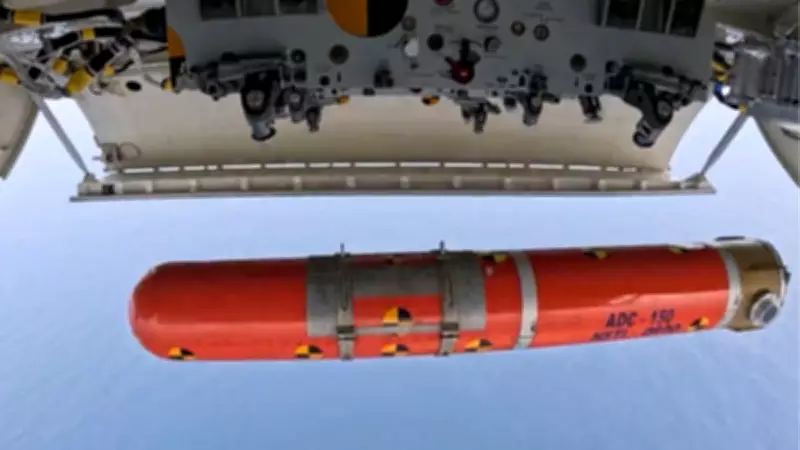
DRDO and Indian Navy Achieve Milestone with Indigenous Air-Droppable Container Test
The Defence Research and Development Organisation (DRDO), in collaboration with the Indian Navy, has successfully conducted a test of an indigenous air-droppable container. This innovative system is specifically designed to provide emergency support during mid-sea crises, marking a significant advancement in India's maritime safety and defense capabilities.
Enhancing Maritime Emergency Response
The air-droppable container is engineered to be deployed from aircraft directly into the ocean, where it can deliver essential supplies such as food, water, medical kits, and other critical resources to ships or personnel in distress. This capability is crucial for responding to emergencies far from shore, where traditional rescue operations may face logistical challenges.
The successful test demonstrates India's growing prowess in developing indigenous defense technologies, reducing reliance on foreign imports and bolstering self-reliance in strategic sectors. The container's design focuses on durability and precision, ensuring it can withstand harsh marine environments and accurately reach targeted locations.

Key Features and Operational Benefits
The container incorporates several advanced features to optimize its performance in emergency scenarios:
- Robust Construction: Built to endure high-impact landings and corrosive seawater, ensuring reliable delivery of supplies.
- Precision Deployment: Equipped with guidance systems to enhance accuracy when dropped from aircraft, minimizing the risk of missing the intended target area.
- Versatile Payload Capacity: Capable of carrying a variety of emergency items, adaptable to different types of maritime incidents.
- Rapid Response: Enables quick deployment from naval or air force assets, significantly reducing response times during critical situations.
This development is part of broader efforts by the DRDO and Indian Navy to modernize India's defense infrastructure and improve operational readiness. By integrating such technologies, the armed forces can enhance their ability to conduct humanitarian missions, search-and-rescue operations, and logistical support in remote oceanic regions.
Strategic Implications and Future Prospects
The successful test of the air-droppable container underscores India's commitment to innovation in defense research and its focus on maritime security. As geopolitical tensions and natural disasters pose increasing threats to sea lanes and coastal areas, such indigenous solutions are vital for safeguarding national interests and promoting regional stability.
Looking ahead, the DRDO and Indian Navy plan to further refine the container's design and integrate it into regular operational protocols. This may involve additional testing phases, collaboration with other defense agencies, and potential deployment in joint exercises with allied nations. The initiative aligns with the government's 'Make in India' campaign, encouraging domestic production and technological advancement in the defense sector.
In summary, the DRDO and Indian Navy's achievement in testing this air-droppable container represents a proactive step toward enhancing India's maritime emergency response capabilities. It highlights the importance of indigenous innovation in strengthening national security and supporting global maritime safety efforts.






