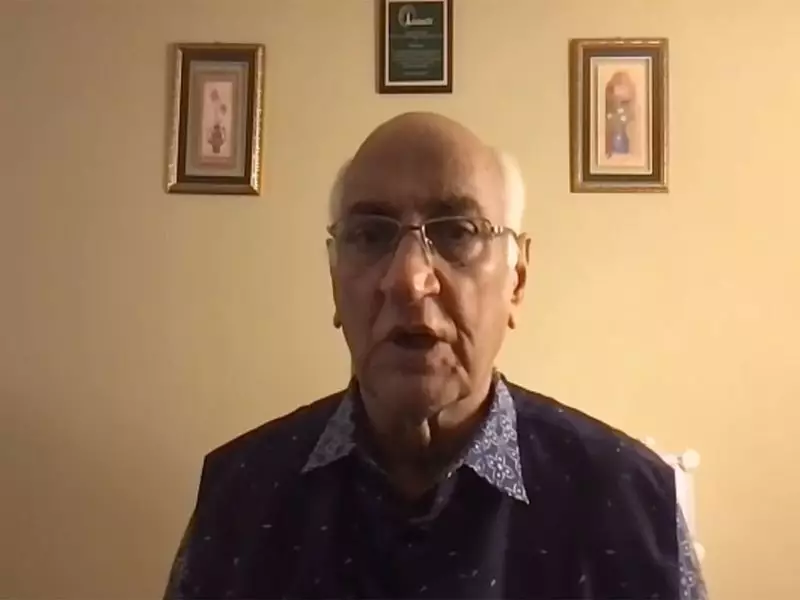
Former Indian diplomat Veena Sikri has issued a significant warning, stating that continuous and harsh criticism directed at India can have detrimental effects on the crucial bilateral relationship between India and Bangladesh. Sikri, who served as India's High Commissioner to Bangladesh, emphasized that while democratic debate is healthy, sustained diatribes can poison the atmosphere of cooperation.
Historical Context and the Danger of Rhetoric
Sikri provided crucial historical context for the current state of India Bangladesh relations. She highlighted that the partnership is built on the foundational sacrifice of the Indian Armed Forces during Bangladesh's Liberation War in 1971. This shared history forms the bedrock of a relationship that Sikri describes as "very special." However, she expressed concern that this foundation is being eroded by what she termed "diatribes" against India from certain quarters within Bangladesh.
The ex-diplomat pointed out that such rhetoric often surfaces during election cycles in Bangladesh. She argued that while political parties are free to critique foreign policy, a consistent campaign of negativity can create long-term distrust and hinder progress on mutual interests. Sikri stressed that the relationship is too important to be held hostage to short-term political gains.

Current Challenges and Areas of Cooperation
Despite the challenges posed by rhetoric, Sikri acknowledged the deep and multifaceted cooperation between the two neighbors. She listed several key areas where collaboration is strong and essential:
- Connectivity: Projects involving road, rail, and port links that benefit both economies.
- Energy Security: Cooperation on power transmission and potential energy trade.
- Water Sharing: Ongoing negotiations on the sharing of common rivers, a sensitive but vital issue.
- Trade and Investment: India is a major trade partner for Bangladesh, though trade imbalances are often a point of discussion.
- Security: Collaboration on counter-terrorism and managing a long, porous border.
Sikri noted that these areas of cooperation directly impact the livelihoods of millions of people on both sides of the border. Disrupting this cooperation through hostile rhetoric, she warned, would ultimately harm the citizens of Bangladesh more.
The Role of Leadership and Civil Society
The former High Commissioner underscored the critical role played by leadership in both nations in navigating complex issues. She recalled the efforts of former Indian Prime Minister Manmohan Singh and former Bangladeshi Prime Minister Sheikh Hasina in resolving the long-standing maritime boundary dispute through international arbitration—a move hailed as a diplomatic success.
Sikri also called for stronger people-to-people ties and more robust engagement between civil society organizations, intellectuals, and the media in both countries. She believes that fostering understanding at the grassroots level can act as a buffer against the negative impact of political rhetoric. A more informed public discourse, she suggested, would focus on substantive issues rather than emotive sloganeering.
The Path Forward for Bilateral Ties
Looking ahead, Veena Sikri outlined a path for strengthening bilateral ties. She advocated for continued high-level dialogue and a focus on delivering tangible outcomes from existing agreements. Addressing Bangladesh's economic aspirations, particularly as it graduates from Least Developed Country (LDC) status, requires proactive support from India, she noted.
Furthermore, Sikri emphasized that India must also be sensitive to Bangladeshi concerns. A relationship between unequal neighbors, she implied, requires extra effort from the larger partner to ensure equity and mutual respect. The management of public perception in Bangladesh is a shared responsibility.

In conclusion, Sikri's warning serves as a timely reminder of the fragility of international partnerships. The India Bangladesh relationship, forged in blood and shared history, faces modern challenges from political narratives. Her analysis suggests that preserving this special bond requires statesmanship, a focus on common goals, and a conscious effort to insulate the relationship from the corrosive effects of sustained anti-India rhetoric. The future of regional stability and prosperity in South Asia may well depend on it.