Former Indian diplomat Mahesh Sachdev has publicly supported Bangladeshi Prime Minister Sheikh Hasina's recent claim that the country witnessed a severe breakdown in law and order during the tenure of her rival, Khaleda Zia. This period, in the mid-1990s, saw Muhammad Yunus, the Nobel laureate and founder of Grameen Bank, leading a caretaker government.
Diplomat Corroborates Hasina's Historical Claim
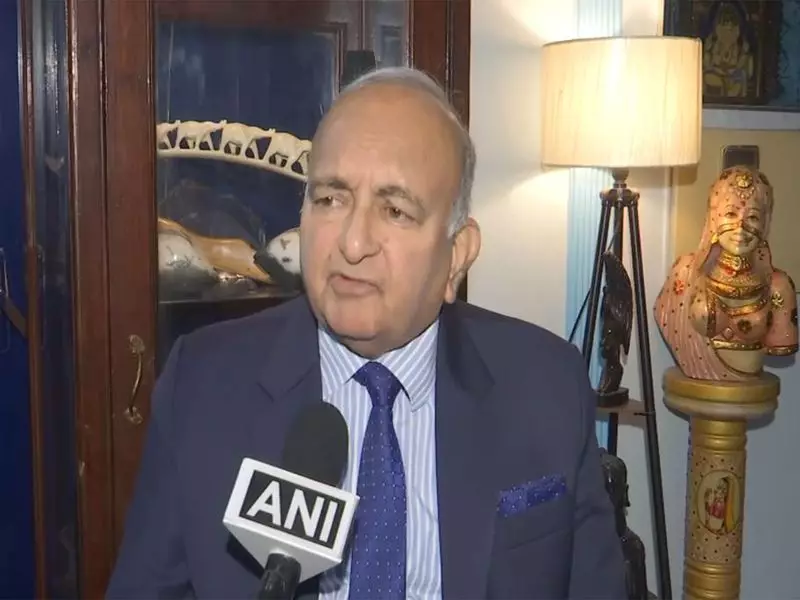
In a detailed social media post, Sachdev, who served as India's Deputy High Commissioner in Dhaka from 1995 to 1998, stated that the facts support Prime Minister Hasina's assertion. He described the 1996 caretaker government, headed by Muhammad Yunus, as a period marked by significant political and civil unrest. Sachdev emphasized that this era was characterized by widespread political violence, frequent hartals (strikes), and a general collapse of administrative order, which severely impacted the nation's stability.
The Context of the 1996 Caretaker Government
The backdrop to this controversy is the contentious political history of Bangladesh. Following the February 1996 general elections, which were boycotted by major opposition parties including Hasina's Awami League, Khaleda Zia's Bangladesh Nationalist Party (BNP) formed a government. However, facing immense pressure and allegations of vote rigging, that government resigned after just 12 days. This led to the formation of a neutral, caretaker administration as per the country's constitution at the time.

It was under these circumstances that Muhammad Yunus, internationally celebrated for his microfinance work, was appointed as the head of that interim government in March 1996. His primary task was to oversee fresh parliamentary elections scheduled for June of that year. Sachdev's analysis points out that despite Yunus's global stature, his administration failed to control the spiraling law and order situation, which was a direct legacy of the preceding political crisis.
Political Repercussions and Lasting Impact
The support from the former Indian diplomat adds a significant international perspective to an ongoing domestic political narrative in Bangladesh. Prime Minister Hasina's reference to this historical period is widely seen as a rebuttal to her contemporary critics, including Yunus himself, who has faced recent legal challenges in Bangladesh. By highlighting the governance failures of that era, the current leadership aims to contrast it with the relative stability under Hasina's long rule.
Sachdev concluded that the factual record of 1996 validates Hasina's statement about the collapse of law and order. This episode remains a potent symbol in Bangladesh's political discourse, illustrating the deep and enduring fractures between its two major political dynasties. The invocation of this history continues to shape political arguments and public perception about governance, stability, and legacy in the country.