German Envoy Calls Gender-Responsive Energy Transition an Economic Opportunity
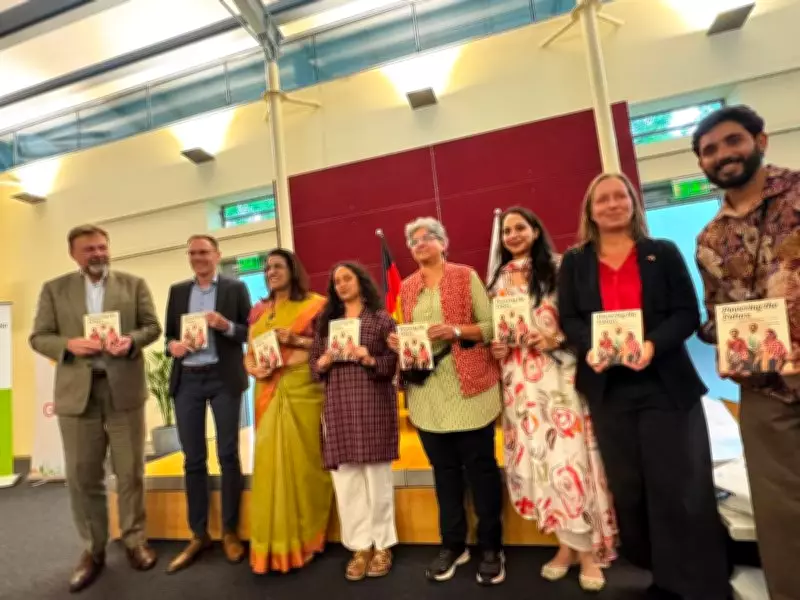
German Ambassador to India Dr Philipp Ackermann stated on Thursday that a gender-responsive energy transition is not merely a social imperative but an economic opportunity that can unlock new markets, generate jobs, and drive innovation in India. Speaking at the India-Germany Climate Talks in New Delhi, Ackermann emphasised that India's shift towards renewable energy could yield significant benefits if women are given equal access to resources, leadership, and decision-making roles.
Event Focuses on Women in Clean Energy
The event, hosted by the German Embassy, centred on the role of women in India's clean energy transition. It featured the launch of the book Powering the Future: Women at the Heart of India's Energy Transition, authored by Bengaluru-based climate researcher Neha Saigal and published by Heinrich Böll Stiftung. Drawing on experiences from Odisha, Punjab, Jharkhand, Maharashtra, and Tamil Nadu, the book highlights contributions of women as innovators, entrepreneurs, researchers, and community leaders. It argues that gender should become a central pillar of climate and energy policy.
Indo-German Partnership for Green Development
Ackermann noted that the Indo-German Partnership for Green and Sustainable Development aims not only to advance clean energy but also to ensure that climate action benefits communities and leaves no one behind. He stressed that a gender-responsive approach is key to achieving a just transition.

Author Calls for Equity and Inclusion
Author Neha Saigal said India's transition to cleaner energy must be viewed through the lens of equity and inclusion. "India's energy transition presents an opportunity to place gender at the heart of policy and decision-making, not as an afterthought but as a foundation for a just transition," she stated. She added that women are central to energy systems as users, caregivers, and drivers of livelihoods. Saigal argued that India is witnessing multiple energy transitions shaped by local realities and that a just transition should avoid reproducing existing social inequalities while moving away from fossil fuels.
Panel Discussion Highlights Women-Led Innovation
The discussion also featured clean energy expert Dr Priyadarshini Karve, who highlighted the role of women-led innovation and entrepreneurship in expanding access to decentralised renewable energy solutions. Dr Amrita Rana underlined the links between clean mobility, public health, and women's leadership in tackling urban air pollution. Panellists agreed that embedding gender-responsive approaches into energy planning, expanding women's participation across the clean energy value chain, and strengthening local leadership are essential for achieving a just and resilient energy transition.
Germany's Role in India's Sustainable Development
Germany has been a key partner in India's sustainable development agenda through climate finance, technical cooperation, and policy partnerships. Recent collaborations have placed greater emphasis on inclusive climate action and women's leadership, reinforcing the commitment to a gender-responsive energy transition.