Global Political Landscape Transforms in a Week of High-Stakes Developments
The past week has been a whirlwind in international politics, marked by significant shifts that are reshaping global alliances and strategies. From the Arctic to Asia, key events have unfolded, highlighting tensions and collaborations that could define the future of diplomacy and trade.
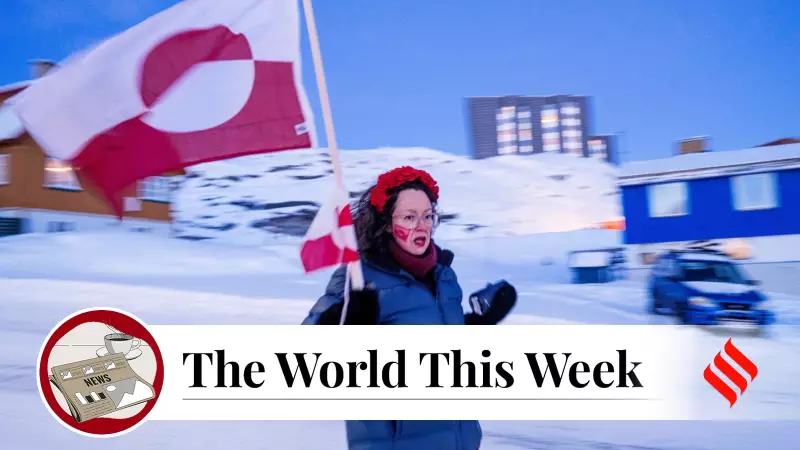
Greenland Breathes Easier as Trump Rules Out Military Invasion
In a move that brought relief to many, US President Donald Trump announced at the World Economic Forum in Davos that he would not use military force to acquire Greenland. This statement came after months of speculation and threats, with Trump emphasizing, "I don't have to use force. I don't want to use force. I won't use force." However, he remained adamant about the US needing total control over the Arctic island, proposing a "framework of a future deal" focused on Arctic security to counter Russian and Chinese influence.
This framework, as reported by US media, could grant Washington greater military autonomy and control over Greenland's mineral resources, despite Trump's denials. Denmark and Greenland have firmly stated that sovereignty is non-negotiable, while NATO and European allies have cautiously welcomed the proposal, avoiding immediate tariffs that Trump had threatened earlier.

Board of Peace Expands Its Mandate Beyond Gaza
On January 22, the Board of Peace, initially proposed by Trump to end the Gaza conflict, was officially established with a broader global mission. Chaired by Trump and including figures like Jared Kushner and Ajay Banga, the board aims to "promote stability, restore dependable and lawful governance, and secure enduring peace" in conflict zones worldwide. This expansion has raised concerns about potential competition with the United Nations, as the board now includes members from various countries, with a $1 billion fee for permanent membership.
Canada's Strategic Pivot Towards China Amid US Tensions
In a bold diplomatic move, Canadian Prime Minister Mark Carney signaled a shift towards a "strategic partnership" with China at the World Economic Forum, citing a "rupture in the old world order." This decision comes as Canada faces its own tensions with the US, leading Trump to revoke its invitation to the Board of Peace. Carney's speech, advocating for middle powers to reject coercion, was met with applause, highlighting growing global realignments.
India-EU Free Trade Agreement Nears Finalization
Negotiations for the India-EU Free Trade Agreement have reached a critical phase, with an announcement expected during the upcoming summit in New Delhi. European Commission President Ursula von der Leyen hailed it as the "mother of all deals," aiming to integrate nearly two billion people into a combined market. Key benefits include:
- For India: Tariff removals in textiles and apparel, expanded access for pharmaceuticals and IT services.
- For the EU: Better entry into India's fast-growing economy, with reduced barriers in automobiles and chemicals.
This agreement, once ratified, could become India's largest FTA, fostering significant economic growth and cooperation.
Iran's Protests Lose Momentum as Regime Holds Firm
Throughout the week, Iran remained in focus as the Ayatollah regime survived what was described as the deadliest uprising since 1979. The protests, which began in late December, have lost steam, raising questions about the regime's resilience and the future of dissent in the country.
These developments underscore a week of dramatic changes in international relations, from military de-escalation to new trade partnerships and diplomatic realignments, setting the stage for a transformed global order.