

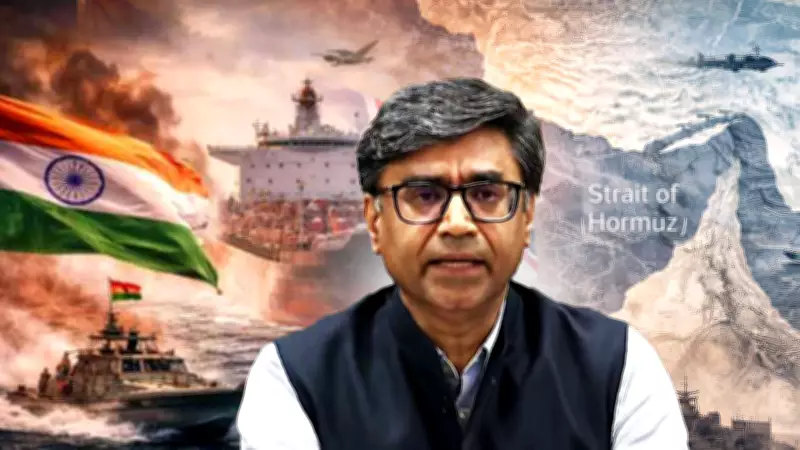
India Highlights Human Toll at Hormuz Crisis Meeting: 'Only Nation to Lose Seafarers'
In a stark revelation at a high-level international meeting, India has brought global attention to the severe human cost of the escalating Hormuz crisis. Deputy National Security Advisor Vikram Misri, representing India, made it unequivocally clear that India stands as the only nation to have suffered the loss of seafarers in the troubled waters of the Strait of Hormuz.
The Stark Reality: Lives Lost in a Vital Waterway
The crisis, which has simmered for months, has now directly impacted India with the tragic deaths of at least three Indian mariners. This grim statistic underscores the immediate and personal danger the situation poses, moving it from a distant geopolitical issue to a matter of national urgency for New Delhi. The Indian delegation at the meeting, led by the United Kingdom, stressed that these are not abstract figures but real lives lost, representing families and communities back home.
Economic and Strategic Imperatives at Stake
The Strait of Hormuz is not just another maritime route; it is a critical chokepoint for global energy supplies. An estimated one-fifth of the world's oil passes through this narrow passage. For India, a nation heavily dependent on energy imports to fuel its growing economy, disruptions here have a direct and immediate impact.

- Fuel Supply Security: Any instability threatens the steady flow of crude oil and liquefied natural gas (LNG) to Indian refineries and power plants.
- Economic Stability: Price volatility and supply shocks in the energy market can ripple through the Indian economy, affecting everything from transportation costs to industrial output.
- Global Trade: The strait is vital for international commerce, and its security is paramount for the free flow of goods worldwide.
India's call for urgent international action to restore and guarantee safe shipping lanes is therefore rooted in both humanitarian concern and hard-nosed economic necessity.
India's Diplomatic and Evacuation Response
While forcefully presenting its case, India has maintained a carefully calibrated diplomatic stance. Officials have consistently urged for de-escalation and dialogue among the involved parties to resolve the underlying tensions fueling the crisis. The approach balances firm advocacy for its national interests with a commitment to peaceful resolution.
Parallel to its diplomatic efforts, India has activated robust mechanisms for citizen safety. Recognizing the heightened risk, authorities have successfully evacuated over 200 Indian nationals from Iran, which borders the strait. This proactive measure highlights the government's focus on protecting its citizens abroad amidst the volatility.
Ongoing Engagement and the Path Forward
The situation in the Strait of Hormuz remains fluid and critically tense. India is not merely a passive observer but is actively engaging with global partners and multilateral forums. The objective is twofold:
- To work collectively towards restoring stability in a region crucial for world energy security.
- To ensure the protection of Indian maritime interests, the safety of its seafarers, and the unimpeded flow of trade essential for its economy.
The message from the international meeting is clear: for India, the Hormuz crisis has a name, a face, and a profound cost. As the only country to have lost lives in these waters, its call for urgent, concrete action carries a unique moral weight and an undeniable strategic imperative. The global community's response will be closely watched in New Delhi, where national security and economic stability are inextricably linked to the calm of this distant but vital strait.






