

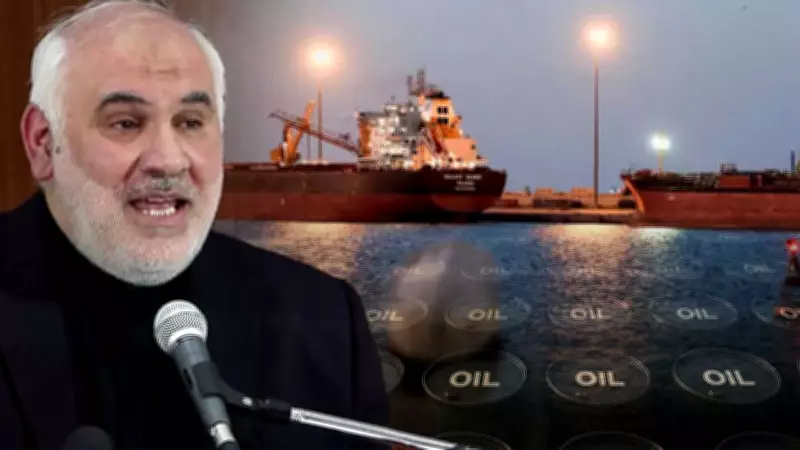
India Resumes Iranian Crude Imports After Seven-Year Gap
In a significant development for global energy markets, India has received its first shipments of Iranian crude oil since May 2019. According to verified ship-tracking data from industry analyst Kpler, two very large crude carriers have successfully docked at Indian ports, ending a nearly seven-year hiatus in direct oil trade between the two nations.
Details of the Crude Deliveries
The vessel named Felicity, carrying approximately two million barrels of Iranian crude, anchored off the port of Sikka along Gujarat's coastline late Sunday. Simultaneously, another tanker called Jaya, transporting a similar volume of petroleum, arrived near Paradip port off the Odisha coast. These coordinated deliveries represent the first confirmed Iranian crude imports by India since the previous administration halted purchases due to international sanctions pressure.
Geopolitical Context and Timing
This resumption of energy trade occurs against a backdrop of escalating tensions in the Middle East, particularly concerning potential US actions regarding the Strait of Hormuz. The strategic waterway, through which approximately one-fifth of global oil shipments pass, has become a focal point in ongoing diplomatic standoffs between Washington and Tehran.

The timing of these deliveries is particularly noteworthy, as they coincide with heightened discussions about energy security and alternative supply chains among major oil-importing nations. India's move signals a potential recalibration of its energy procurement strategy amid evolving global alliances and trade dynamics.
Implications for India's Energy Security
Energy analysts are closely monitoring this development for several critical reasons:
- Diversification of Supply Sources: India, as the world's third-largest oil importer, has long sought to diversify its crude procurement beyond traditional Middle Eastern suppliers and Russian imports.
- Price Negotiation Leverage: Renewed access to Iranian crude could provide Indian refiners with additional bargaining power in global oil markets.
- Strategic Autonomy Considerations: The shipments demonstrate India's continued pursuit of energy independence despite complex international sanctions regimes.
Global Market Reactions and Future Outlook
The resumption of India-Iran oil trade has already generated significant attention in international commodity markets. Market observers anticipate several potential outcomes:
- Possible adjustments in global crude pricing structures as additional supply enters the market
- Increased diplomatic scrutiny from Western nations regarding sanctions enforcement
- Potential ripple effects on other major oil importers considering similar trade resumptions
While the immediate volumes represent a modest percentage of India's total crude imports, the symbolic importance of reestablishing this trade corridor cannot be overstated. The development underscores India's balancing act between energy security requirements and complex geopolitical considerations, particularly as tensions surrounding key maritime chokepoints like the Strait of Hormuz continue to escalate.
Industry experts suggest that sustained Iranian crude imports would require careful navigation of international sanctions frameworks, potentially involving rupee-based payment mechanisms or barter arrangements that have been discussed in previous bilateral negotiations between New Delhi and Tehran.






