India and Iran Forge Ahead with Chabahar Port Collaboration Amid Optimistic Outlook
In a significant development for regional diplomacy and economic strategy, India and Iran are poised to deepen their bilateral relationship through the pivotal Chabahar port project. This initiative, long seen as a cornerstone of Indo-Iranian cooperation, has garnered renewed attention as both nations express a shared commitment to fostering a robust and mutually beneficial partnership.
Iran's Supreme Leader Representative Voices Confidence in Smooth Operations
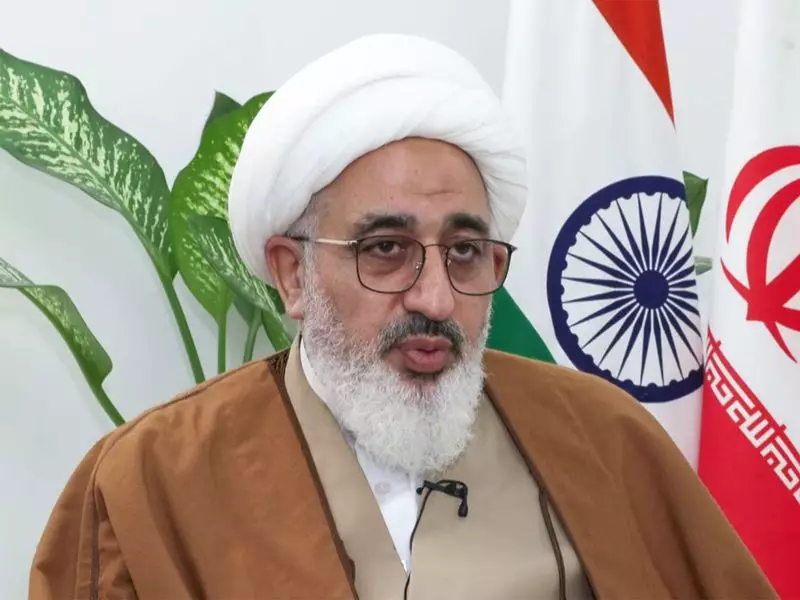
Abdul Majid Hakeem Ilahi, the esteemed representative of Iran's Supreme Leader, has publicly articulated a hopeful perspective on the future of this collaboration. In recent statements, he emphasized that there is a strong expectation for the Chabahar port to function efficiently and effectively, underscoring the importance of this venture in strengthening ties between the two countries.
Ilahi remarked, "We hope in Chabahar they will work nicely, and India and Iran want to have a good relationship." This sentiment reflects a broader diplomatic effort to navigate complex geopolitical landscapes while prioritizing economic and strategic interests.

Strategic Importance of Chabahar Port for India and Iran
The Chabahar port, located in southeastern Iran, serves as a critical gateway for India to access Central Asia and Afghanistan, bypassing Pakistan. For Iran, it represents a vital component of its economic diversification and regional influence. Key aspects of this partnership include:
- Enhanced Trade Routes: The port facilitates smoother trade flows, reducing dependency on traditional routes and boosting economic resilience.
- Regional Stability: By fostering cooperation, India and Iran aim to contribute to stability in a volatile region, countering other influences.
- Infrastructure Development: Investments in port infrastructure are expected to spur local economic growth and create job opportunities.
This collaboration is not merely about port operations; it symbolizes a deeper alignment of interests. Both nations are keen to leverage Chabahar as a hub for connectivity, with India viewing it as a strategic asset to counterbalance China's Belt and Road Initiative in the region.
Challenges and Opportunities in Bilateral Relations
Despite the optimism, the India-Iran relationship faces challenges, including international sanctions on Iran and shifting global alliances. However, the mutual desire for a "good relationship" as highlighted by Ilahi suggests a pragmatic approach to overcoming these hurdles. Opportunities abound in areas such as energy cooperation, cultural exchanges, and joint ventures in technology and agriculture.
As both countries work towards realizing the full potential of the Chabahar port, this partnership could redefine regional trade dynamics and set a precedent for future collaborations. The emphasis on smooth operations and strong ties underscores a forward-looking vision that prioritizes long-term benefits over short-term obstacles.