

India-Iran Talks Make Headway on Strait of Hormuz Shipping
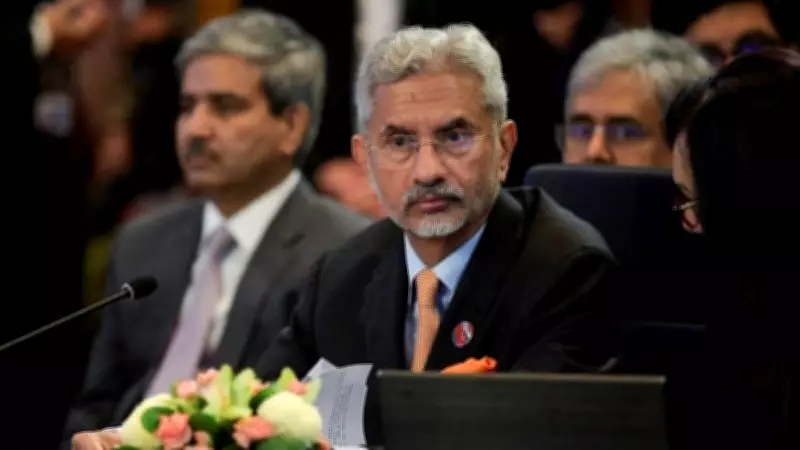
External Affairs Minister S. Jaishankar has confirmed that recent diplomatic discussions with Iran have yielded tangible progress toward restarting shipping operations through the strategically crucial Strait of Hormuz. This development marks a significant step in addressing disruptions that have impacted global oil trade and regional stability.
Key Outcomes from Bilateral Discussions
In a statement, Jaishankar emphasized that the talks, held in the context of ongoing geopolitical tensions, have produced some concrete results. While specific details were not fully disclosed, the minister indicated that both nations are working collaboratively to ensure the safe and unimpeded passage of vessels through this narrow waterway, which handles approximately one-fifth of the world's oil shipments.
The Strait of Hormuz serves as a critical chokepoint for maritime traffic between the Persian Gulf and the Gulf of Oman, making its security paramount for energy supplies to India and other major economies. Jaishankar highlighted that India's engagement with Iran focuses on leveraging diplomatic channels to mitigate risks and enhance navigational safety, reflecting New Delhi's broader foreign policy objectives in the Middle East.

Implications for Global Trade and Energy Security
Resuming normal shipping through the Strait of Hormuz is vital for stabilizing global oil markets and ensuring energy security. Past incidents, including attacks on tankers and regional conflicts, have led to volatility in oil prices and raised concerns about supply chain disruptions. Jaishankar's announcement suggests that India is playing a proactive role in fostering dialogue to de-escalate tensions and protect economic interests.
India, as a major importer of oil from the region, has a vested interest in maintaining open sea lanes. The progress in talks with Iran could pave the way for enhanced bilateral cooperation on maritime security, potentially involving joint initiatives or agreements to safeguard commercial shipping. This aligns with India's strategic vision of promoting peace and stability in the Indian Ocean region and beyond.
Future Steps and Diplomatic Efforts
Looking ahead, Jaishankar underscored that ongoing diplomatic efforts will continue to build on the current momentum. He noted that India remains committed to engaging with all stakeholders, including other regional powers and international organizations, to ensure a comprehensive approach to maritime security. The minister's remarks signal a cautious optimism, with further negotiations expected to address technical and logistical aspects of shipping resumption.
In summary, the talks between India and Iran represent a positive development in the complex geopolitical landscape of the Middle East. By achieving some results in restarting shipping through the Strait of Hormuz, both nations are contributing to broader efforts aimed at reducing regional tensions and securing vital trade routes for the global economy.






