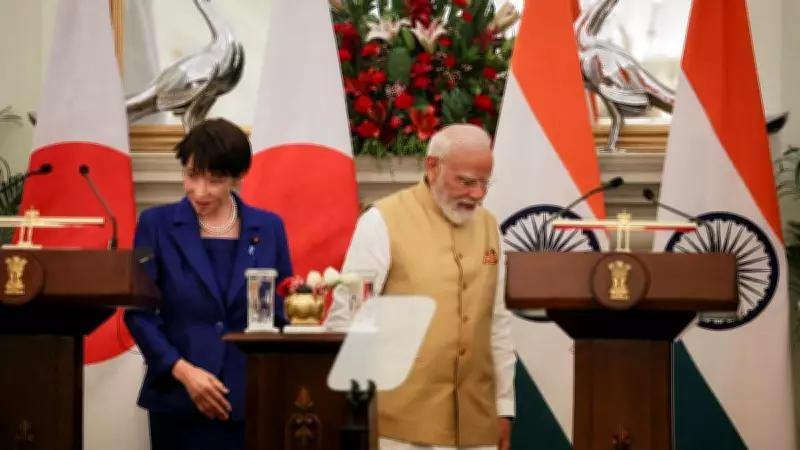
India and Japan signed several bilateral agreements covering artificial intelligence, metals, and energy following a meeting between Indian Prime Minister Narendra Modi and Japanese Prime Minister Sanae Takaichi. The pacts were announced on 2 July 2026, in New Delhi.
Focus on AI Cooperation
Speaking to reporters after the talks, Modi emphasized the complementary strengths of the two nations in the field of artificial intelligence. 'The convergence of Japan's precision technology and India's software capabilities will give a new momentum and strength to global AI development,' Modi said. The AI agreement aims to foster joint research, data sharing, and the development of ethical AI frameworks.
Metals and Energy Pacts
In the metals sector, the two countries agreed to collaborate on rare earth processing and advanced steel manufacturing. The energy pact focuses on clean hydrogen production and grid integration, leveraging Japan's expertise in hydrogen technology and India's large-scale deployment potential.

Strategic Significance
The agreements are seen as a step to deepen the India-Japan Special Strategic and Global Partnership. Takaichi noted that the partnerships would enhance supply chain resilience and technological innovation. The leaders also discussed regional security and the Indo-Pacific vision.