India Calls for United Nations Reform and BRICS Cohesion as Iran War Intensifies Global Tensions
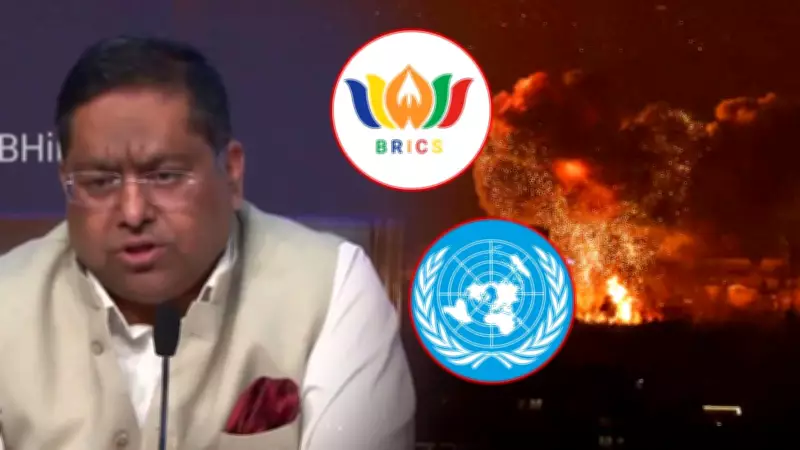
In a significant diplomatic move, India has reiterated its long-standing demand for comprehensive reform of the United Nations while urging unity within the BRICS bloc, even as the ongoing conflict in Iran threatens to divide member nations. The statements were made by Ministry of External Affairs spokesperson Randhir Jaiswal during a high-profile international engagement.
High-Level EU Meeting in Brussels Addresses Global Challenges
India's External Affairs Minister recently visited Brussels at the formal invitation of European Union High Representative Kaja Kallas to participate in the crucial EU Foreign Affairs Council meeting. This strategic diplomatic gathering provided a platform for extensive discussions covering multiple critical areas of global concern.
The comprehensive dialogue focused on strengthening India-EU bilateral relations, addressing pressing global challenges, and specifically examining the escalating conflict in West Asia. Particular attention was given to the conflict's profound impact on global energy security, a matter of vital importance to nations worldwide.

India's BRICS Presidency Navigates Member Divisions
Jaiswal highlighted India's current presidency of the BRICS grouping, emphasizing the country's continued engagement with all stakeholders despite evident differences in positions among member nations regarding the Iran conflict. This diplomatic balancing act demonstrates India's commitment to maintaining dialogue channels even during periods of international disagreement.
"India remains actively engaged with all parties involved," Jaiswal stated, underscoring the nation's diplomatic approach. "Our presidency of BRICS comes with the responsibility to foster cooperation despite differing perspectives on international crises."
Ongoing Diplomatic Efforts Regarding Strait of Hormuz and Humanitarian Concerns
The spokesperson confirmed that diplomatic talks are actively continuing with Iran regarding several critical issues:
- Navigation security for ships passing through the strategically vital Strait of Hormuz
- Coordination of humanitarian assistance to affected populations
- Establishment of safe corridors for aid delivery
Jaiswal emphasized India's consistent position favoring dialogue, restraint, and the utilization of established diplomatic channels as the preferred means to resolve international conflicts. This approach aligns with India's historical advocacy for peaceful conflict resolution through multilateral engagement.
Renewed Push for United Nations Structural Reforms
In perhaps the most significant portion of his remarks, Jaiswal forcefully reiterated India's persistent call for substantive reform of the United Nations system. He argued that timely and meaningful reforms would substantially benefit global governance mechanisms, enhance international peacekeeping capabilities, and improve cooperation among nations facing complex transnational challenges.
"The current global architecture requires modernization to reflect contemporary geopolitical realities," Jaiswal asserted. "Comprehensive UN reform is not merely desirable but essential for effective global governance in the twenty-first century."
The spokesperson connected this reform agenda to the broader context of managing international conflicts, suggesting that a more representative and effective United Nations would be better equipped to mediate disputes like the Iran conflict and prevent escalation that threatens global stability.
India's dual emphasis on both immediate crisis diplomacy through BRICS engagement and long-term institutional reform through UN modernization represents a comprehensive approach to global governance challenges during a period of heightened international tension and division.