

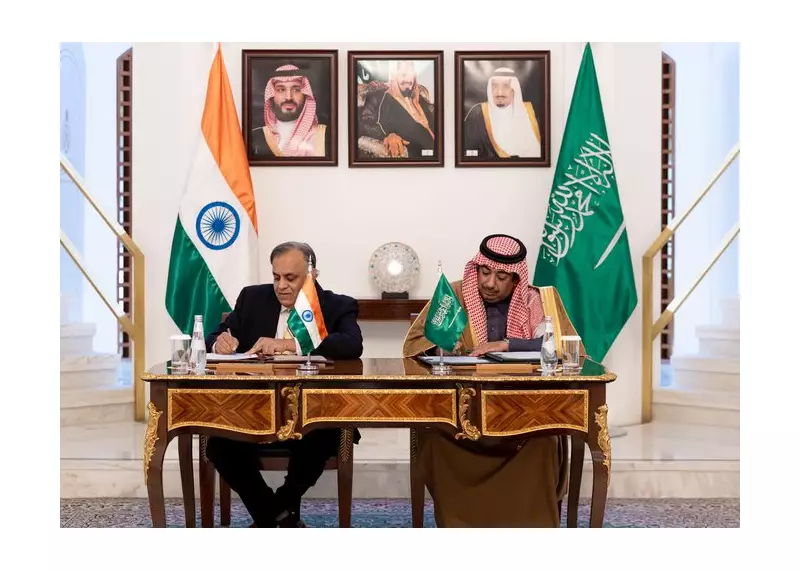
In a significant move to strengthen diplomatic channels, India and Saudi Arabia have inked a pivotal agreement that exempts holders of specific passports from short-stay visa requirements. The pact, signed in Riyadh, marks a new chapter in bilateral relations, aiming to streamline official travel and foster closer cooperation.
What Does The New Visa Agreement Entail?
The mutual short-stay visa exemption agreement was formally signed at the headquarters of the Saudi Ministry of Foreign Affairs in Riyadh. Saudi Deputy Minister of Foreign Affairs for Protocol Affairs, Abdulmajeed Al-Smari, signed on behalf of the Kingdom, while Indian Ambassador to Saudi Arabia, Dr. Suhel Ajaz Khan, represented India. This deal specifically benefits individuals holding diplomatic, special, and official passports from both nations, allowing them to travel between the two countries for short stays without the need for a prior visa.
This strategic step is designed to cut through bureaucratic delays, making official and diplomatic engagements more frequent and seamless. It is important to note that the exemption does not currently apply to ordinary tourists or business travelers, who must still obtain relevant visas.

Who Stands To Benefit From This Deal?
The immediate beneficiaries of this agreement are government officials, diplomats, and civil servants on state business. The passport categories covered are:
- Diplomatic Passports: Typically issued to diplomats and consuls.
- Special Passports: Often allocated to high-ranking government officials.
- Official Passports: Used by civil servants and government employees for official state duties.
Holders of these passports can now plan short-term visits for meetings, negotiations, and diplomatic functions with greater ease and speed, eliminating the visa application process for such trips.
A Strategic Boost For India-Saudi Ties
This agreement arrives at a time when India and Saudi Arabia are rapidly deepening their strategic partnership across multiple domains including trade, defense, energy, and cultural exchange. The pact serves as a concrete symbol of growing mutual trust and shared priorities between New Delhi and Riyadh.
By simplifying travel for key personnel, the agreement encourages more frequent high-level dialogue, supports the faster implementation of joint projects, and enhances policy coordination. It reflects the broader consolidation of India's relations with Gulf nations, a region of critical importance due to the large Indian diaspora and expanding economic links.
While the current deal is focused on official travel, analysts view it as a foundational step that could pave the way for broader visa facilitation in the future, potentially impacting students, professionals, and tourists. The move aligns with the goals of the expanded Saudi-Indian Strategic Partnership Council, which encompasses cooperation in defense, tourism, trade, and scientific collaboration.
As one of Saudi Arabia's fastest-growing trade partners, India sees this as a logical progression in a relationship that is increasingly vital for regional stability and economic growth. This visa exemption is more than a procedural change; it is a stepping stone towards a more fluid and interconnected future for both nations.






