India Prepares to Counter US Tariff Proposal at USTR Hearing
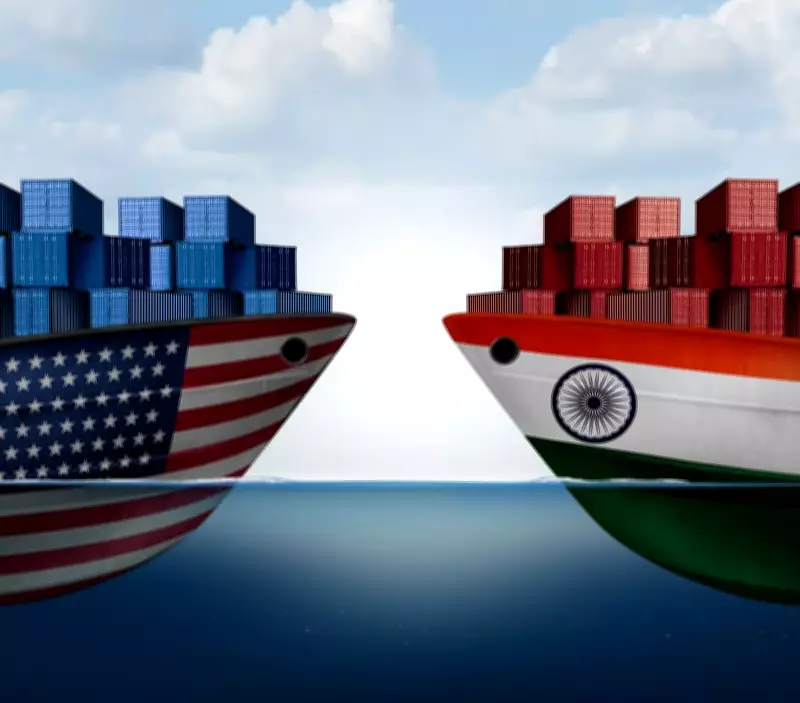
Indian officials are set to testify before the US Trade Representative (USTR) next week to challenge proposed tariffs on Indian exports, arguing that the findings on forced labour are legally flawed and would adversely affect American businesses and consumers. The public hearing is scheduled for July 8, with representatives from the commerce ministry and industry bodies such as APEDA, FICCI, CII, and ACMA presenting India's counterarguments.
India's Written Submissions Highlight Robust Legal Framework
India has already submitted written responses to the USTR, stating that the agency's findings fail to consider the country's strong domestic legal regime. India asserts that its framework reflects a structured and progressive approach, combining statutory prohibitions, institutional mechanisms, and ongoing policy measures aimed at reducing vulnerability to forced labour. The Confederation of Indian Industry (CII) emphasized that India's policy framework does not qualify as 'unreasonable' or 'discriminatory' under Section 301(b) of the Trade Act of 1974. The CII also asserted that India has a robust constitutional and statutory framework that ensures Indian companies cannot practice forced labour.
Industry Bodies Defend Compliance Practices
The Federation of Indian Chambers of Commerce and Industry (FICCI) stated in its written response that Indian export supply chains serving the US market operate within well-established compliance frameworks that emphasize traceability, supplier due diligence, independent audits, and responsible sourcing practices. The Automotive Component Manufacturers Association (ACMA) noted that Indian auto-component manufacturing is predominantly organized, technology-driven, and subject to established labour and compliance frameworks. Accordingly, the use of forced labour is neither inherent in nor consistent with the sector's legitimate operating practices. The All India Spice Exporters Forum and the All India Vegetables Dehydrated Manufacturer Development Association have also submitted their written responses to the USTR on the issue.

Background on Proposed Tariffs
Last month, the USTR proposed a 12.5 per cent additional duty on Indian goods over forced-labour import rules, invoking Section 301 of the Trade Act of 1974. The same action was proposed against many other countries. Section 301 is considered one of the US's most powerful unilateral trade tools, allowing it to investigate foreign trade practices and impose tariffs or other restrictions. India's challenge aims to protect its export interests and counter what it sees as unfounded allegations that could disrupt trade relations.