India Opposes UN Human Rights Council Resolution on Iran's Protest Crackdown
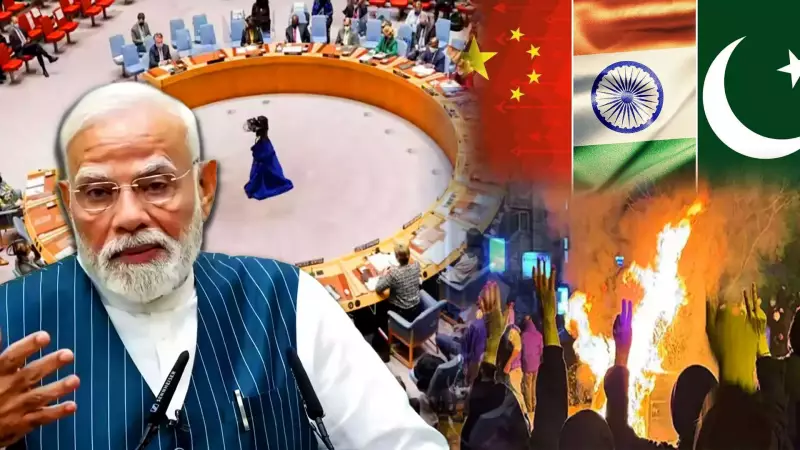
In a significant diplomatic move, India has voted against a United Nations Human Rights Council resolution that condemned Iran's handling of nationwide protests and extended the mandate of a fact-finding mission to investigate alleged repression. The vote took place on January 25, 2026, drawing international attention as it positioned India alongside six other nations, including China and Pakistan, in opposition to the measure.
Voting Outcome and International Context
The resolution was ultimately adopted by the UN Human Rights Council with 25 votes in favor, seven against, and 14 abstentions. India's decision to vote against the resolution came at a critical juncture when Iran is actively seeking international support amid growing pressure from the United States. This timing has amplified the significance of New Delhi's stance, highlighting its independent foreign policy approach.
Following the vote, Tehran's envoy in New Delhi publicly expressed gratitude to India for its principled stand. This acknowledgment underscores the diplomatic rapport between the two nations and suggests that India's vote was welcomed by Iranian authorities as a gesture of solidarity during a challenging period.

India's Traditional Position on Country-Specific Resolutions
India has a long-standing tradition of opposing country-specific resolutions at the United Nations, viewing them as politically motivated and intrusive into sovereign affairs. This consistent policy framework provides context for New Delhi's latest vote, which aligns with its historical reluctance to support measures that target individual nations without broader consensus.
Sources familiar with India's diplomatic strategy indicate that the vote was guided by considerations of national interest and strategic autonomy. Key factors influencing the decision include the need to sustain constructive engagement with Iran and protect long-term bilateral projects that are crucial for India's regional connectivity ambitions.
Strategic Implications and Regional Connectivity
Among the most significant considerations behind India's vote is the Chabahar port project in Iran, which serves as a vital component of India's regional connectivity plans. This strategic infrastructure initiative facilitates trade routes to Afghanistan and Central Asia, reducing dependence on traditional corridors through Pakistan. By voting against the UNHRC resolution, India has signaled its commitment to preserving this important partnership and ensuring the continuity of projects that enhance its geopolitical influence.
The decision also reflects India's broader approach to balancing its relationships with multiple global powers. While maintaining ties with Western nations, New Delhi continues to prioritize its strategic interests in West Asia, where Iran plays a pivotal role. This balanced diplomacy allows India to navigate complex international dynamics while advancing its economic and security objectives.
As global attention remains focused on human rights issues and geopolitical tensions, India's vote at the UN Human Rights Council serves as a reminder of its independent foreign policy trajectory. The move underscores New Delhi's determination to make decisions based on national priorities rather than external pressures, reinforcing its position as a significant actor in international affairs.