Iran Confirms Participation in US Talks in Islamabad, Ceasefire Reached Before Trump's Deadline
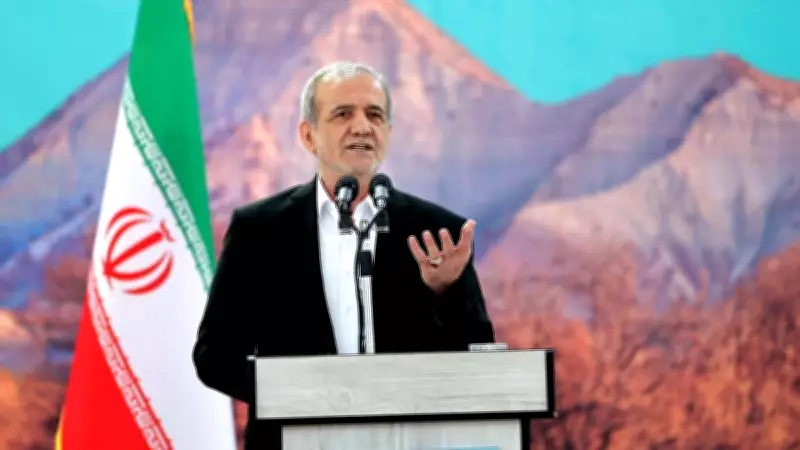
In a significant diplomatic development, President Pezeshkian of Iran has officially confirmed the country's participation in talks with the United States, to be held in Islamabad. This announcement was made public by Pakistan Prime Minister Sharif, highlighting Pakistan's role as a mediator in these crucial discussions.
Two-Week Ceasefire Deal Reached Under Pressure
The talks come on the heels of a critical two-week ceasefire agreement that was finalized less than two hours before a looming deadline set by former US President Donald Trump. Trump had issued an ultimatum to Tehran, demanding the reopening of the strategically vital Strait of Hormuz. Failure to comply would have resulted in severe consequences, with Trump threatening the potential wiping out of what he described as "a whole civilization."
The timing of this ceasefire is particularly noteworthy, as it underscores the intense pressure and high stakes involved in the negotiations. The Strait of Hormuz is a key maritime chokepoint for global oil shipments, and its closure could have devastating effects on international trade and energy markets.

Details of the Islamabad Talks
While specific agendas for the Islamabad talks have not been fully disclosed, they are expected to address a range of bilateral and regional issues, including:
- Security concerns in the Middle East
- Nuclear proliferation and compliance with international agreements
- Economic sanctions and their impact on Iran's economy
- Broader diplomatic relations between Iran and the US
Pakistan's involvement as a host nation adds a layer of complexity, given its historical ties with both countries. Prime Minister Sharif's announcement emphasizes Pakistan's commitment to fostering dialogue and stability in the region.
Global Implications and Reactions
This development has sparked widespread attention from international observers and media outlets, including Reuters, which reported on the ceasefire deal. The world is closely watching how these talks might influence geopolitical dynamics, particularly in light of past tensions and Trump's aggressive stance.
Experts suggest that the ceasefire, though temporary, could pave the way for more substantive negotiations in Islamabad. However, challenges remain, as both nations have deep-seated disagreements that will require careful diplomacy to resolve.
As the situation unfolds, stakeholders are hopeful that these talks will lead to a de-escalation of conflicts and contribute to long-term peace in the region. The outcome could have far-reaching effects on global politics, energy security, and international relations.