

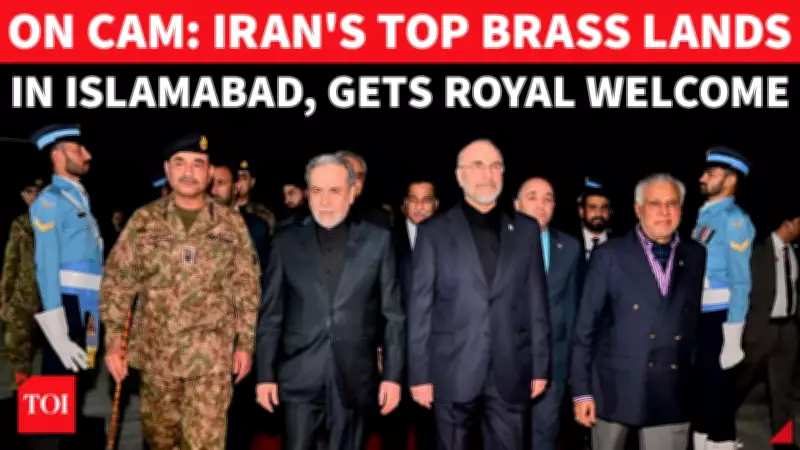
Iran's Elite Delegation Lands in Islamabad Amid High-Stakes Nuclear Negotiations
A high-powered delegation from Iran, led by Parliament Speaker Mohammad Bagher Qalibaf and accompanied by Foreign Minister Abbas Araghchi, has arrived in Islamabad, Pakistan. This visit comes just ahead of critical peace talks involving the United States, marking a significant moment in regional diplomacy. The delegation was warmly received by top Pakistani leadership, underscoring the importance of these discussions in a tense geopolitical climate.
Diplomatic Significance and Regional Implications
The arrival of Iran's elite officials in Islamabad signals intensifying diplomatic efforts aimed at addressing nuclear tensions. With the United States poised to participate in upcoming negotiations, these talks could play a pivotal role in shaping the next phase of regional stability. The red-carpet welcome extended by Pakistan highlights the strategic importance of fostering dialogue amidst ongoing conflicts and uncertainties in the Middle East.
As behind-the-scenes discussions commence, all eyes are on Islamabad, where outcomes may influence broader international relations. The timing of this visit, amid reports of escalating conflicts involving Iran-backed groups and other regional players, adds urgency to the negotiations. Experts suggest that successful talks could pave the way for de-escalation and enhanced cooperation, while failure might exacerbate existing tensions.

Context and Broader Geopolitical Landscape
This diplomatic move occurs against a backdrop of heightened regional activity, including recent incidents such as rocket attacks by Hezbollah on Israeli cities and missile storms targeting Israeli bases. These events underscore the volatile environment in which the nuclear talks are taking place. The involvement of key figures like Qalibaf and Araghchi indicates Iran's commitment to engaging in high-level diplomacy to address nuclear concerns and regional security challenges.
Furthermore, the visit aligns with broader international efforts to manage conflicts in the Middle East, with stakeholders closely monitoring developments. The potential for these negotiations to impact global stability cannot be overstated, as they involve major powers and touch upon sensitive issues like nuclear proliferation and regional alliances.
Key Points to Watch:- The role of Pakistan as a mediator in facilitating dialogue between Iran and the United States.
- Potential outcomes of the nuclear talks and their implications for regional peace.
- How recent conflicts involving Iran-backed groups might influence negotiation dynamics.
- The international community's response to these diplomatic efforts and any subsequent agreements.
In summary, the arrival of Iran's delegation in Islamabad marks a crucial step in diplomatic engagements that could redefine regional stability. As negotiations unfold, the world watches closely, hoping for progress that mitigates tensions and fosters a more secure future for all involved parties.






