

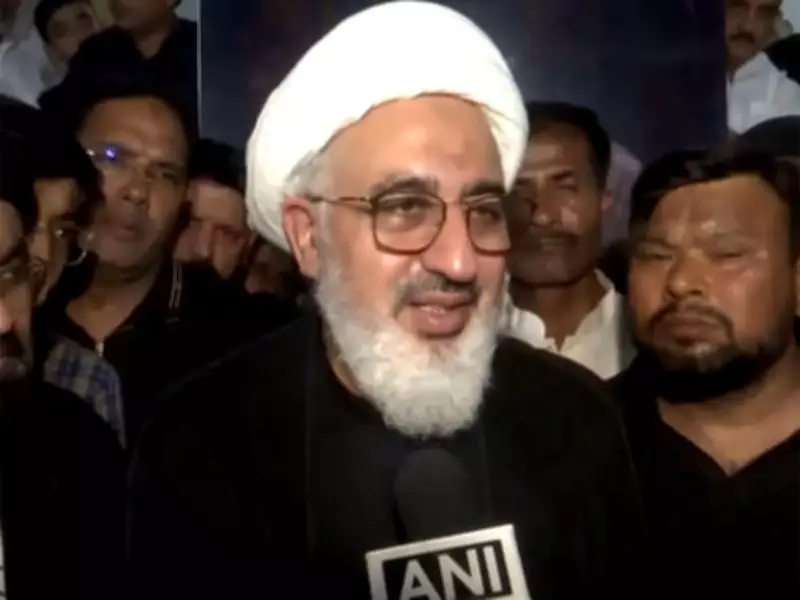
Iran's Supreme Leader's Representative in India Denounces Trump's Threat to Tehran
The diplomatic envoy representing Iran's Supreme Leader in India has issued a sharp rebuke against former United States President Donald Trump's recent threat directed at Tehran. In a statement that underscores the ongoing tensions between Iran and the US, the representative emphasized that such aggressive posturing from Washington is not only counterproductive but also reveals the limitations of American influence in the region.
Trump's Provocative Remarks Spark International Concern
Former President Donald Trump, known for his hardline stance on Iran during his tenure, recently reiterated threats against Tehran, prompting widespread international concern. These remarks have reignited fears of escalating conflicts in the Middle East, with many analysts warning of potential repercussions for global stability. The Iranian envoy's response highlights the deep-seated animosity and mistrust that characterize US-Iran relations, particularly following the collapse of the nuclear deal and subsequent sanctions.
Envoy's Firm Stance: "US Cannot Do Anything Else"
In a candid assessment, the representative of Iran's Supreme Leader in India stated that Trump's threats are merely a reflection of Washington's inability to achieve its objectives through diplomatic means. "The US, under Trump's rhetoric, cannot do anything else but resort to threats, which only expose their weakness and lack of viable strategies," the envoy declared. This assertion points to a broader narrative within Iranian leadership that views American actions as bluster rather than substantive policy, aimed at intimidating rather than engaging in constructive dialogue.

Implications for Regional and Global Diplomacy
The envoy's comments come at a critical juncture, as Iran continues to navigate complex geopolitical challenges, including nuclear negotiations and regional conflicts. By publicly challenging Trump's threats, Iran signals its resilience and determination to withstand external pressure. This episode also underscores the role of Indian diplomacy, as Iran's representative operates from New Delhi, a key player in fostering dialogue between East and West. Experts suggest that such statements could influence future US foreign policy, especially as Washington reassesses its approach to Iran under current administrations.
Historical Context of US-Iran Tensions
The friction between the US and Iran dates back decades, marked by events such as the 1979 Iranian Revolution and the hostage crisis. Trump's presidency saw a significant escalation, with the US withdrawing from the Joint Comprehensive Plan of Action (JCPOA) and imposing stringent sanctions on Tehran. The envoy's critique aligns with Iran's longstanding position that US aggression is driven by imperialistic ambitions rather than genuine security concerns. This historical backdrop adds weight to the envoy's assertion that threats are a futile tactic in resolving deep-rooted disputes.
Looking Ahead: Prospects for De-escalation
Despite the harsh rhetoric, there are calls for de-escalation from various international quarters. The Iranian envoy's statement may serve as a reminder of the need for renewed diplomatic efforts to address core issues, such as nuclear proliferation and regional stability. As global powers monitor these developments, the hope is that dialogue will prevail over confrontation, preventing further instability in an already volatile region.






