

Iran Rejects Pakistan's Mediation Offer Amid Escalating Regional Tensions
Iran has categorically dismissed suggestions that it is engaging in diplomatic mediation efforts hosted by Pakistan, asserting that it has not participated in any such initiative. This comes as international pressure mounts to de-escalate the intensifying conflict in the Middle East.
Diplomatic Denial and Accusations
In an official statement released by the Consulate General of Iran in Mumbai, Tehran's foreign ministry spokesperson clarified that there are "no direct talks" with the United States. The spokesperson accused Washington of making "excessive, unreasonable demands via intermediaries" and emphasized that Pakistan's diplomatic forums are "their own." The statement made it unequivocally clear: "We didn't participate."
This rejection casts significant doubt on Pakistan's self-proclaimed role as a potential mediator in the widening conflict involving Iran, the United States, and Israel. Islamabad had previously announced plans to host talks in the near future, but neither Tehran nor Washington has provided formal confirmation of their involvement.

Military Escalation and Regional Impact
The diplomatic confusion unfolds against a backdrop of escalating military actions across the region:
- The United States and Israel have continued targeted strikes on Iranian assets.
- Iran has expanded its retaliatory measures, launching missiles and drones at critical infrastructure.
- Key energy and water facilities in Gulf states, as well as sites in Israel, have been hit.
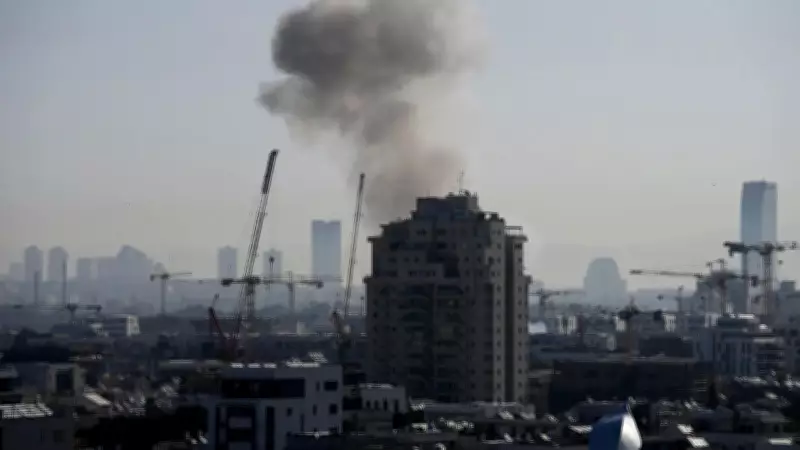
Specific incidents include a fire at a major oil refinery in Haifa, northern Israel, following a strike or falling debris, though it was quickly contained. In Kuwait, an Iranian strike on a power and desalination plant resulted in one worker's death and injuries to several soldiers. Gulf nations such as Saudi Arabia and Bahrain have also reported successfully intercepting incoming missiles.
Global Economic and Political Ramifications
Meanwhile, US President Donald Trump has sent mixed signals regarding the conflict. He stated that talks with Iran are progressing "extremely well" but simultaneously warned that military options remain on the table. Among these options is the potential seizure of Iran's strategic Kharg Island oil terminal.
The ongoing conflict has already triggered sharp volatility in global energy markets. Oil prices have surged significantly due to fears over potential disruptions in the Strait of Hormuz, a critical maritime route for global oil shipments. This economic instability adds another layer of urgency to regional and international calls for de-escalation.
As regional tensions continue to mount, Iran's firm rejection of mediation efforts highlights the complex diplomatic landscape and the challenges facing peace initiatives in the Middle East.






