

Iran Issues Stark Warning to US, Refuses to Leave Strait of Hormuz Amid Naval Blockade
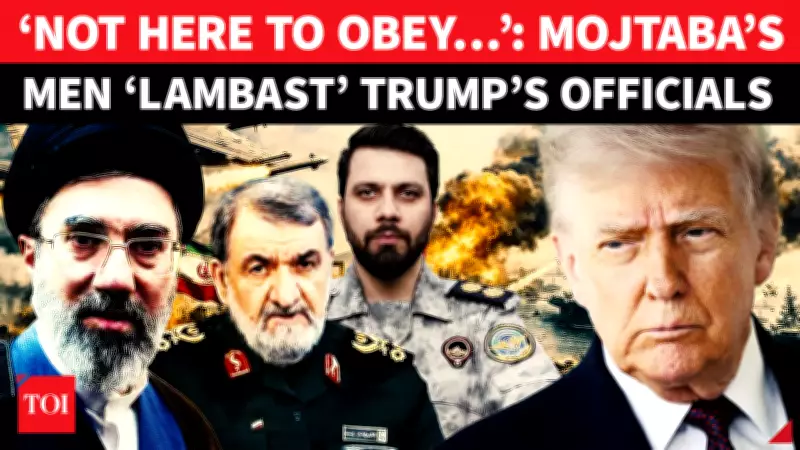
In a significant escalation of tensions, Iran has delivered a stark warning to the United States, firmly refusing to withdraw from the strategic Strait of Hormuz. This defiance comes as an intensifying naval blockade by Iranian forces continues to disrupt maritime traffic in one of the world's most critical oil chokepoints. Tehran's stance underscores its determination to maintain control over the waterway, which serves as a vital artery for global energy supplies.
Tehran Signals Readiness for Prolonged Standoff, Rejects US Demands
Amid sustained economic pressure from Washington, Iran is signaling its readiness for a prolonged military and diplomatic standoff. Iranian officials have categorically rejected US demands to end the blockade, labeling them as unrealistic and unacceptable. This hardening of positions suggests that Tehran is prepared to endure significant economic and political costs to secure its strategic interests in the region.
The crisis threatens to spiral into a wider confrontation, with nearly one-fifth of the global oil supply at stake. Any prolonged disruption in the Strait of Hormuz could trigger severe economic shocks, including spikes in oil prices and disruptions to international trade routes. Regional instability across the Middle East is also a growing concern, as neighboring countries monitor the situation closely for potential spillover effects.

Backchannel Talks Via Pakistan Continue, But No Date Set for Next Round
Despite the escalating tensions, diplomatic efforts have not been entirely abandoned. Backchannel talks facilitated by Pakistan are ongoing, providing a fragile line of communication between Tehran and Washington. However, no specific date has been set for the next round of negotiations, indicating that both sides remain entrenched in their positions. The lack of a clear timeline for further dialogue adds to the uncertainty surrounding the resolution of this crisis.
Iran's preconditions for any potential de-escalation appear to hinge on securing its rights and interests in the region, a point emphasized by Iranian officials in recent statements. This stance reflects a broader strategy of leveraging the Strait of Hormuz as a bargaining chip in its geopolitical struggles with the United States and its allies.
Global Security and Economic Implications at Stake
The ongoing standoff in the Strait of Hormuz has far-reaching implications for global security and the world economy. Key stakeholders, including major oil-importing nations and international shipping companies, are closely watching developments, with contingency plans being activated to mitigate potential disruptions. The situation underscores the fragile balance of power in the Middle East and the high stakes involved in US-Iran relations.
As the crisis unfolds, the international community faces mounting pressure to mediate and prevent a full-scale conflict. The outcome of this confrontation could reshape regional dynamics and have lasting effects on global energy markets and diplomatic alliances.






