Iran Issues Stern Warning to United States Over Potential Military Action
Iran delivered a forceful warning on Monday, stating that any military attack by the United States—including what President Donald Trump has described as a "limited strike"—would be considered an "act of aggression" and met with a "decisive" response. The declaration comes amid heightened tensions and ongoing diplomatic negotiations concerning Iran's nuclear program.
No Such Thing as a Limited Strike, Says Iranian Spokesman
Foreign ministry spokesman Esmaeil Baqaei addressed reporters in Tehran, emphasizing that Iran views any form of attack as unacceptable. "There is no such thing as a limited strike. An act of aggression is an act of aggression. Period," Baqaei stated firmly. He added that Iran, like any sovereign state, reserves the inherent right to self-defense and would exercise it decisively if provoked.
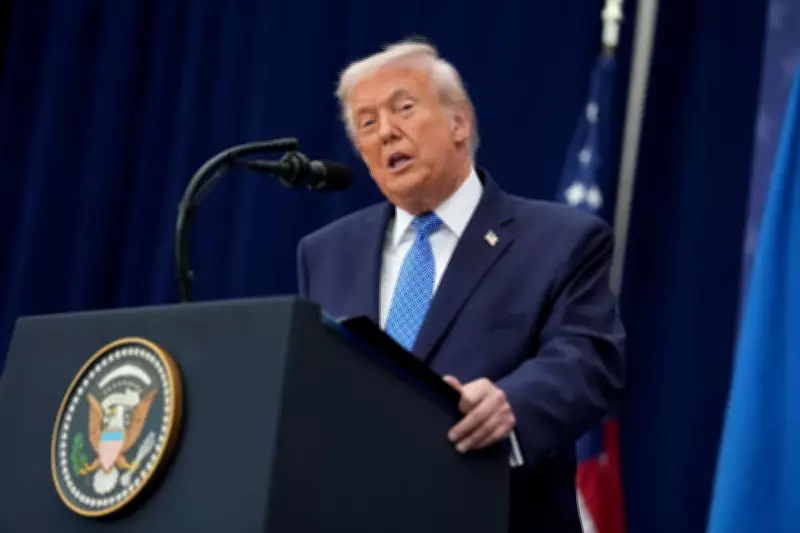
This warning follows President Trump's remarks on February 20, where he confirmed he was considering a "limited" strike against Iran if the country fails to reach an agreement with Washington on various issues, primarily its nuclear activities. "I guess I can say I am considering that," Trump told journalists, underscoring the seriousness of the threat.

Background of Tensions and Protests
Speculation about potential US military intervention in Iran has been persistent since December of last year. At that time, protests initially sparked by record-high inflation and soaring food prices evolved into a broader movement challenging the Iranian regime. Human rights organizations have accused Iranian authorities of killing thousands of protesters during a widespread crackdown, further complicating the domestic and international landscape.
Diplomatic Efforts Amid Military Buildup
Despite the bellicose rhetoric, diplomatic channels remain active. Iran and the United States concluded a second round of indirect talks in Switzerland on February 17, with Oman acting as mediator. These discussions occurred against the backdrop of a significant US military buildup in the region, adding a layer of urgency to the negotiations.
Further talks are scheduled for Thursday, as confirmed by Iran and Oman, though Washington has yet to officially acknowledge this new round. Iran's delegation is led by Foreign Minister Abbas Araghchi, while the US side is represented by special envoy Steve Witkoff and Jared Kushner, President Trump's son-in-law.
US Envoy Questions Iranian Resistance
In a recent interview aired on Fox News, US envoy Steve Witkoff expressed bewilderment over Iran's refusal to capitulate in the face of American military deployments. "Trump was questioning why Iran had not 'capitulated' given Washington's military presence," Witkoff noted, highlighting the pressure tactics being employed.
Baqaei swiftly dismissed this notion, asserting that Iranians have "never capitulated at any point in our history," reinforcing the nation's stance of resilience and defiance.
Historical Context of Military Exchanges
The current tensions are not without precedent. In June of last year, the United States and Iran were briefly engaged in military exchanges during a 12-day period of hostilities between Iran and Israel, a key ally of Washington. This historical context underscores the volatile nature of US-Iran relations and the potential for escalation.
As the situation develops, the international community watches closely, aware that any miscalculation could lead to significant regional and global repercussions. The upcoming talks will be critical in determining whether diplomacy can prevail over the threat of military confrontation.