Iran's Defiant Display: Coffins with US and NATO Leaders' Names Mark Revolution Anniversary
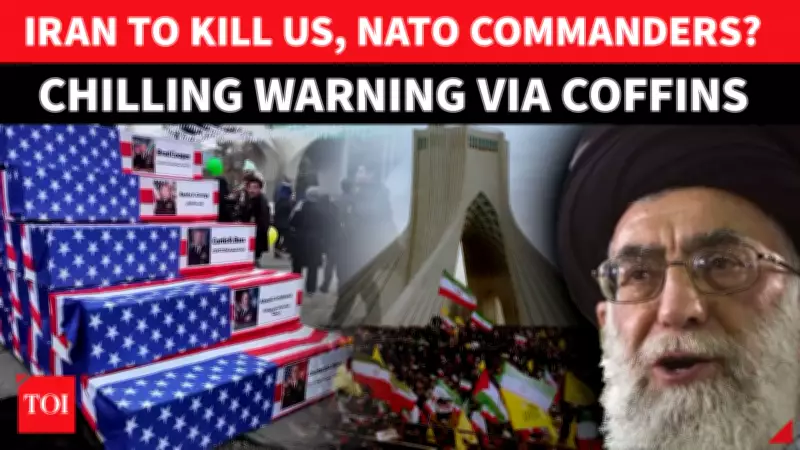
In a powerful act of defiance, Iran commemorated the 47th anniversary of its 1979 Islamic Revolution with a striking display in Tehran's Azadi Square. Coffins draped in American flags and bearing the names of senior United States and NATO military leaders were prominently featured, as thousands of residents gathered to voice unwavering support for the Islamic Republic.
Ceremonial Defiance and Political Statements
The anniversary celebrations included fireworks, mass rallies, and chants of "death to America" and "death to Israel" echoing through the square, highlighting the persistent tensions between Tehran and Western nations. President Masoud Pezeshkian addressed the crowd, declaring that Iran "will not bow" to what he described as excessive demands from Washington.
President Pezeshkian emphasized that Iran is not seeking nuclear weapons and remains open to international verification of its nuclear program. This statement comes amid ongoing indirect nuclear talks in Oman, with further discussions anticipated in Qatar in the coming weeks.

International Context and Nuclear Negotiations
The provocative display occurs against a backdrop of delicate diplomatic maneuvering. United States President Donald Trump has not ruled out military action depending on the outcome of ongoing nuclear negotiations. Meanwhile, Israeli Prime Minister Benjamin Netanyahu has advocated for a tougher stance against Iran's nuclear ambitions.
The anniversary events unfolded as a complex interplay between diplomacy and deterrence, defiance and dissent. What began as a celebration of historical revolution transformed into a contemporary warning about current geopolitical tensions.
Symbolism and Strategic Messaging
The coffin display served multiple purposes:
- Domestic mobilization: Reinforcing national unity and revolutionary ideals
- International signaling: Demonstrating Iran's readiness to confront perceived threats
- Negotiation positioning: Strengthening Iran's bargaining position in nuclear talks
This anniversary celebration transcended mere historical commemoration, evolving into a strategic statement about Iran's current foreign policy approach and its determination to resist external pressure while pursuing its national interests.