The Cockroach Janta Party (CJP) has ended its 36-day protest at Jantar Mantar in Delhi, bringing a prolonged demonstration to a quiet close. The protest, which drew attention to issues affecting students and marginalized communities, concluded after its leader Abhijeet Dipke fell ill and received medical treatment. In a video message shared by the CJP, Dipke expressed gratitude and noted that he had finally slept peacefully after weeks of agitation.
Background of the Protest
The CJP, a fringe political group known for its satirical name, had been camping at Jantar Mantar since June 20, 2026, to demand action on a range of grievances including student loan reforms, employment guarantees, and police accountability. The protest initially gained momentum with the support of various student organizations and activists, including notable figures like Sonam Wangchuk, who had earlier led climate and education movements. However, the turnout dwindled over the weeks, and the site remained largely peaceful.
Dipke's Health and Message
On July 26, the CJP shared a photograph of Dipke receiving intravenous fluids at a nearby clinic, accompanied by a video message. In the video, Dipke said: 'I have finally slept peacefully after 36 days. I thank all my supporters who stood by us. We may have ended the protest, but our fight for justice continues.' The party did not specify the exact nature of his illness but attributed it to exhaustion and prolonged exposure to the elements.

End of the Protest
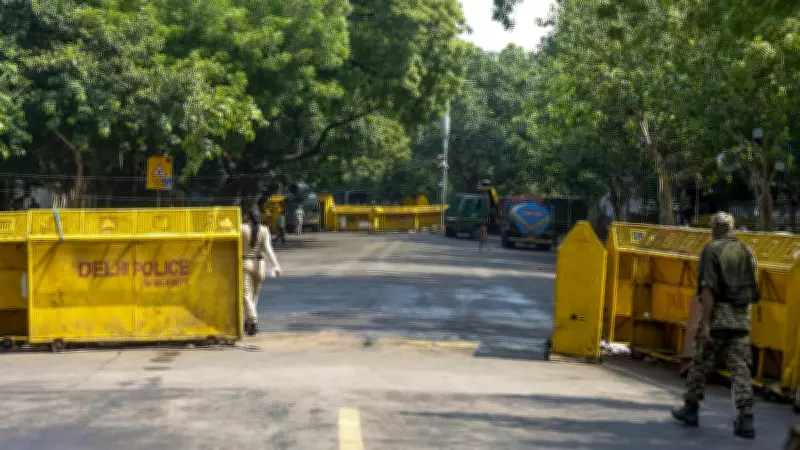
The Jantar Mantar area, a historic site for demonstrations, fell silent as CJP activists dismantled their tents and cleared the area. Local authorities reported no incidents during the dispersal. The protest had remained largely symbolic in its final days, with only a handful of hardcore supporters present. The CJP has not announced any future plans, but indicated that they would pursue legal and political channels to press their demands.
Broader Context
Jantar Mantar has been a traditional venue for protests in Delhi, hosting movements ranging from corruption to gender equality. The CJP's 36-day occupation, while relatively short, highlighted the persistence of small groups in using public spaces for dissent. Sonam Wangchuk, who had earlier expressed solidarity, did not comment on the end of the protest. The development comes amid a broader debate on the right to protest in India, with the government emphasizing law and order while activists argue for space to voice dissent.
The peaceful conclusion of the CJP protest stands in contrast to some earlier demonstrations that saw clashes with police. Dipke's health scare also underscores the physical toll of prolonged agitation, often without adequate facilities. The CJP has thanked the media for coverage and urged the public to remain engaged with their cause through online platforms.