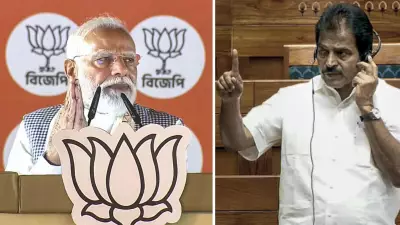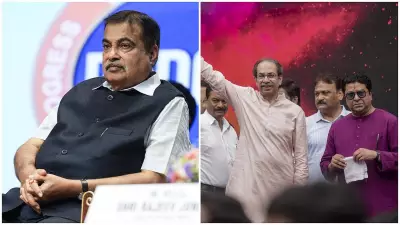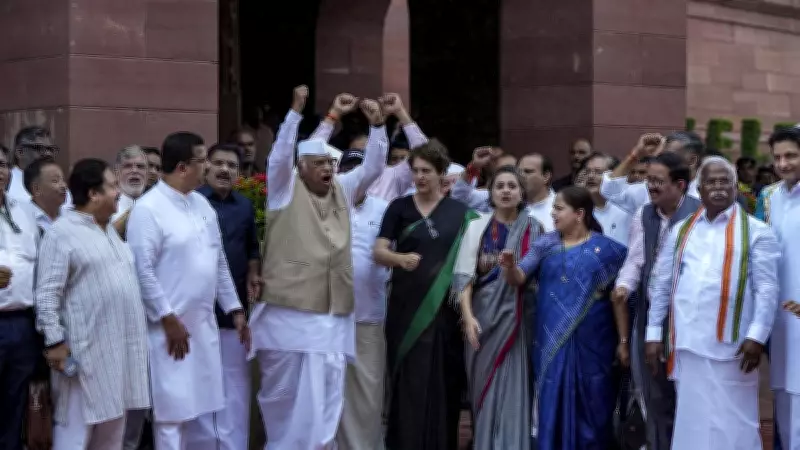
After a weeklong washout, Parliament is set to resume on July 26 with the opposition planning a fresh offensive. The first week of the monsoon session saw minimal legislative functioning, with Lok Sabha operating for just 94 minutes and Rajya Sabha for 104 minutes, according to parliamentary records. The disruptions have raised concerns over the productivity of the session, which typically sees the introduction and passage of key bills.
Weeklong Washout
The session began on a chaotic note, with a 'Chalo Sansad' march by students and youth on the opening day. The protest, demanding action on issues such as unemployment and education reform, set a confrontational tone. Opposition parties quickly aligned with the protesters, leading to repeated adjournments. Over the first week, both houses were adjourned multiple times, often within minutes of convening. On Monday, Lok Sabha was adjourned within 15 minutes; similar scenes played out through Tuesday, Wednesday, Thursday, and Friday, resulting in cumulative productivity of less than two hours for each house. The disruption stalled question hour, private member bills, and other scheduled business.
Opposition's Strategy
Opposition parties have signaled that they will escalate their campaign in the second week. According to sources familiar with the discussions, they plan to demand a comprehensive debate on price rise, unemployment, and the government's handling of the economy. The opposition aims to corner the government over its legislative agenda and push for a statement from Prime Minister Narendra Modi. Parliamentary Affairs Minister Dharmendra Pradhan has appealed for cooperation, but no breakthrough has been reached. The opposition is unlikely to relent unless their demands are met, setting the stage for further confrontations.

Government's Response
The government, led by Prime Minister Narendra Modi, has called for constructive dialogue and urged the opposition to allow the House to function. In a brief statement, Parliamentary Affairs Minister Dharmendra Pradhan emphasized the importance of parliamentary debate and expressed readiness to discuss any issue under the rules. However, the government has not conceded to the opposition's demand for a specific discussion format. The ruling party believes that the opposition is using the protests to deflect attention from its own internal challenges. With a packed legislative calendar, the government is keen to avoid a complete washout of the session.
Impact on Legislative Business
The lost time has already affected key legislative items. Several bills, including those related to banking reforms and social welfare, are pending. The government had planned to introduce at least three major bills in the first week, but none could be taken up. The truncated sessions also mean that private member bills and committee reports are delayed. The Rajya Sabha, in particular, has a heavy workload of pending legislation. The cumulative loss of over 30 hours of sitting time in the first week may force the government to extend the session or prioritize only the most essential bills.
Looking Ahead
As Parliament enters the second week, the prospects for smooth functioning remain uncertain. The opposition's resolve appears strong, and the government's willingness to engage is being tested. Political analysts note that such washouts have occurred in previous sessions, but the current standoff is particularly acute due to the opposition's coordinated strategy. The coming days will determine whether the session can recover or whether it will be remembered as one of the least productive in recent years. For now, all eyes are on the floor of the House as both sides prepare for a fresh confrontation.