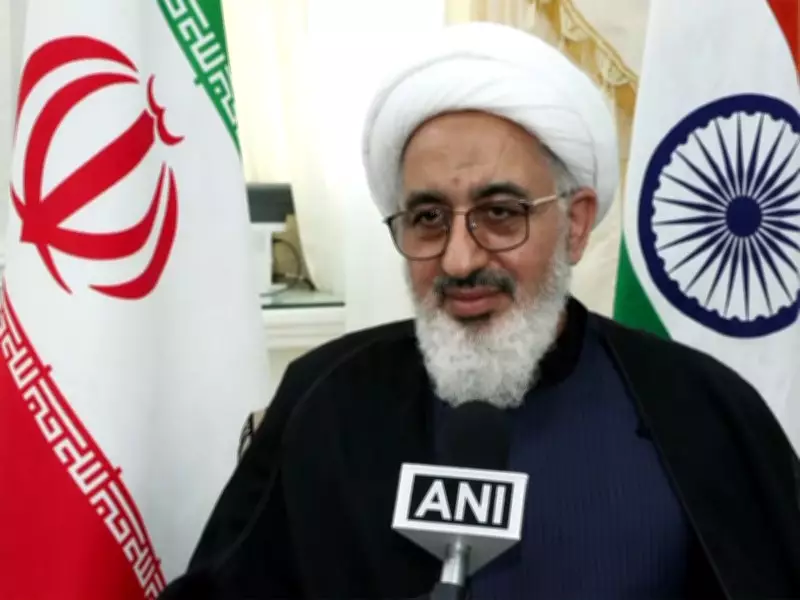
Iran's Supreme Leader's Representative in India Declares Conflict Was 'Imposed'
The representative of Iran's Supreme Leader in India has made a significant statement regarding the ongoing regional tensions, asserting that Iran did not seek or want the current war. In remarks reported by The Tribune, the envoy emphasized that the conflict was imposed upon Iran, highlighting a stance of defensive posture rather than aggression.
Context of the Statement
This declaration comes amid heightened geopolitical friction in the Middle East, where Iran has been involved in various proxy conflicts and direct confrontations. The representative, speaking from India, aimed to clarify Iran's position on the international stage, particularly to an audience in South Asia. He stressed that Iran's actions are driven by necessity and self-preservation, not by a desire for escalation.
The envoy's comments underscore a broader narrative often promoted by Iranian officials: that the country faces external pressures and threats, compelling it to engage in defensive measures. This perspective is crucial in understanding Iran's foreign policy and its interactions with global powers.

Implications for Regional Diplomacy
By stating that the war was imposed, the representative may be seeking to shift blame onto adversarial nations or factions, potentially including the United States, Israel, or Sunni-led states in the region. This could be part of a diplomatic effort to garner sympathy or support from countries like India, which maintains complex relations with both Iran and its rivals.
India, as a key player in regional affairs with significant energy and trade ties to Iran, often navigates a delicate balance in its Middle East policy. The envoy's remarks might aim to influence Indian policymakers or public opinion, presenting Iran as a victim rather than an instigator of conflict.
Analysis of Iran's Strategic Messaging
Iran has consistently used such rhetoric to justify its military and political actions, framing them as responses to external aggression. This messaging serves multiple purposes:
- Legitimizing Domestic Policies: By portraying external threats, the Iranian government can rally national unity and justify internal security measures.
- International Advocacy: Statements like these are often directed at neutral or friendly countries to build alliances or mitigate criticism.
- Psychological Operations: In the context of information warfare, such declarations can shape global perceptions and counter negative narratives.
The representative's focus on India is particularly noteworthy, given the country's role as a major importer of Iranian oil and a participant in regional development projects like the Chabahar Port. This suggests a targeted approach to maintain and strengthen bilateral ties amidst ongoing conflicts.
Broader Geopolitical Considerations
The war referenced likely pertains to the broader Middle East conflicts, such as those involving Yemen, Syria, or tensions with Israel and the U.S. Iran's involvement in these areas is often framed by its leaders as defensive, aimed at protecting its interests and allies. However, critics argue that Iran's actions, including support for militant groups, contribute to regional instability.
This statement from the Supreme Leader's representative in India adds to a growing body of Iranian diplomatic communications aimed at managing its international image. It reflects the ongoing struggle for narrative control in a highly volatile region, where perceptions can significantly impact diplomatic and economic outcomes.
As tensions persist, such declarations will continue to play a role in shaping the discourse around Iran's role in global affairs, with implications for peace efforts and international relations.